
Copyright © 2023 Audio Music. Todos los derechos reservados. Creado por Clickfive Agencia Digital.

Instant Payouts The Ultimate Guide to Fast Withdrawals
Waiting for your winnings can be the worst part of online gaming. That’s why casinos featuring fast withdrawals are a total game-changer, letting you access your cash in hours instead of days. It’s all about getting your money back in your pocket, pronto.
Why Speed of Payouts Matters More Than Ever
The old world of billing cycles and thirty-day waits feels like a relic. Today, a freelancer finishes a logo at 2 PM and needs groceries by 5. A small landscaper buys mulch in the morning and prays a client pays by the afternoon to cover the crew’s wages. This isn’t impatience; it’s survival. Fast payouts have become the new oxygen for small businesses and contractors, directly linking the completion of a job to the immediate ability to buy supplies or pay a bill. When a platform or client delays that flow, they don’t just slow cash—they break a rhythm. The speed of payment doesn’t just feel good; it fundamentally alters a business’s ability to breathe and grow, making a rapid payout system a decisive competitive advantage in an economy that operates in real-time.
The Competitive Edge of Instant Access to Funds
When Mia’s online store hit five figures in sales overnight, she didn’t celebrate—she panicked. Suppliers demanded upfront payment, and her bank said “three to five business days.” That gap nearly sunk her. In today’s economy, instant payment processing isn’t a luxury; it’s a lifeline. Slow payouts create cash flow crises that choke small businesses, damage trust with gig workers, and fuel unnecessary credit reliance. Meanwhile, competitors offering same-day settlements win loyalty automatically. The speed of your payout doesn’t just affect numbers on a screen—it defines whether entrepreneurs sleep at night or scramble for loans. Fast money keeps the engine running; slow money stalls everything.
Trust Signals: How Quick Cash-Outs Build User Confidence
In today’s fast-paced digital economy, the speed of payouts directly determines customer loyalty and cash flow stability. Freelancers, gig workers, and small businesses can no longer afford to wait days for funds that keep their operations running. Instant access to earnings reduces financial anxiety, eliminates overdraft fees, and empowers reinvestment in growth. Platforms that delay payouts risk losing users to competitors offering real-time solutions. Faster settlements also minimize friction in high-stakes industries like insurance claims and e-commerce refunds, where every hour of delay erodes trust. Ultimately, payout speed isn’t just a convenience—it’s a competitive advantage that drives retention and operational agility.
- Improved cash flow: Businesses avoid liquidity crunches and payroll delays.
- Reduced churn: Users stick with platforms that pay instantly.
- Lower costs: Fewer late fees and manual reconciliation errors.
Q&A
Q: Does faster payout speed increase fraud risk?
A: Not necessarily—modern verification tools and blockchain rails often make instant payouts more secure than batch transfers.
User Psychology: The Relief of Winning Without the Wait
In today’s hyper-competitive digital economy, speed of payouts has become the defining factor for financial trust and user retention. Consumers abandon platforms that delay earnings, favoring services where instant payout solutions provide immediate access to funds. Faster payouts reduce anxiety, improve cash flow for freelancers and gig workers, and directly boost conversion rates for businesses. Studies show that 78% of users choose one platform over another solely based on payout speed.
Speed is not a perk—it’s the baseline expectation for fast withdrawal casinos any modern financial service.
The reasons are clear-cut:
- Cash flow urgency: Workers need money immediately for bills or expenses.
- Competitive edge: Faster payouts differentiate brands in saturated markets.
- Trust building: Quick processing signals reliability and reduces churn.
Platforms that fail to prioritize this speed risk losing customers to competitors who deliver earnings in seconds, not days. The era of waiting for payouts is over; real-time is now essential.
Key Factors That Influence Payout Timelines
The hum of the claim center fades as you refresh the status page, the cursor blinking like a slow heartbeat. Insurance payout timelines often hinge on the initial report’s clarity—a single blurred photo or missing date can stall the process for days. Beyond paperwork, the complexity of the damage dictates the rhythm; a straightforward fender bender flows faster than a house fire that demands structural engineers and forensic accountants. Local regulations add their own tempo, requiring mandatory waiting periods or specific adjuster licenses. Even the season plays a role, as winter storms flood schedules nationwide, stretching simple claims into slow dances of patience. Understanding these variables—and how claim complexity and compliance interact—turns a anxious wait into a predictable, manageable journey toward settlement.
Verification Processes: The Bottleneck Before Any Transfer
Payout timelines hinge on a volatile mix of verification hurdles, payment gateways, and internal policy triggers. Processing speed directly impacts cash flow stability, often stalling when identity checks or compliance reviews flag discrepancies. ACH transfers typically settle in 3–5 business days, while wire transfers can clear within hours. Cryptocurrency payouts may finalize in minutes, but network congestion adds delay. Merchant agreements also impose rolling reserves, holding funds for 30 to 90 days.
- Bank holidays: Freezes all processing
- Weekend cutoffs: Pushes release to Monday
- Dispute windows: Chargebacks pause funds
Q: Can I speed up a pending payout?
A: Yes—switching to real-time payment rails or resolving verification backlogs often cuts wait times by 48 hours.
Payment Method Differences: E-Wallets vs. Bank Transfers vs. Crypto
The speed of your payout hinges on several critical levers. Payment method selection is paramount, as e-wallets and cryptocurrencies process in hours, while traditional bank transfers can take 3-5 business days. Your verification status acts as the primary gatekeeper; unverified accounts face mandatory holds until documents like a government ID are approved. Platform-specific policies also dictate timelines, with some companies holding funds for a «cooling-off» period of 24–72 hours to prevent fraud. Processing cut-off times and public holidays create further tangible delays. Always confirm the platform’s precise settlement schedule before initiating a transaction. For quick reference:
- Processing type: Instant (e-wallet) vs. batch (ACH/wire).
- Verification: Fully verified accounts unlock faster releases.
- Threshold rules: Minimum payout amounts often delay smaller balances.
Platform Liquidity and Internal Approval Systems
When you’re waiting for a payout, several things can speed things up or slow them down. The biggest factor is the payment method and its processing windows. Bank transfers often take 2–5 business days, while e-wallets like PayPal or crypto might clear in hours. The company’s internal review process also matters—if they need to verify your identity or check for chargebacks, that adds time. Watch out for weekends and holidays, too, since banks don’t process on those days. Finally, high-value payouts or international transfers usually face extra delays due to compliance checks. Always check the fine print for their stated timeline.
Top Payment Systems Engineered for Speed
For businesses demanding instant transactions, top payment systems engineered for speed like Stripe and Adyen are the undisputed leaders. Their infrastructure processes millions of requests per second, slashing settlement times from days to mere minutes through direct bank integrations. High-speed payment gateways leverage real-time rail APIs to bypass traditional batch processing, while machine learning algorithms instantly flag fraud without delaying approvals. For cross-border operations, systems such as Checkout.com optimize currency conversion and routing in milliseconds. Any delay in payment capture is a direct loss in customer trust and revenue. By adopting these purpose-built engines, merchants eliminate latency, reduce cart abandonment, and scale globally with unyielding reliability.
E-Wallet Leaders: PayPal, Skrill, and Neteller
The world of digital commerce moves at the pulse of a single click, where a delay of seconds can lose a sale forever. Amid this demand for instant gratification, high-speed payment processing has become the silent engine of success. Consider the architecture of real-time systems like a supersonic jet: every micro-optimization matters. Stripe, for instance, pre-processes transactions along global fiber routes, while Square’s chip readers communicate in encrypted bursts. Paypal’s Venmo network now settles funds in under 30 seconds, a far cry from the days of “pending” status. These platforms compress verification, anti-fraud checks, and ledger updates into a seamless blink. The result? A checkout experience that feels less like a transaction and more like an effortless exhale, proving speed isn’t just a feature—it’s the currency of trust.
Cryptocurrency Solutions: Bitcoin, Litecoin, and Stablecoins
When every second counts, top payment systems engineered for speed let users check out instantly without the usual drag. Think of solutions like Stripe, PayPal, or Square—they process transactions in milliseconds, often using tokenization and one-click stored details. This cuts down on form-filling, meaning fewer cart abandonments. Whether you’re buying coffee or paying a freelancer, these platforms optimize for mobile wallets, real-time authorization, and seamless API integrations. Fast payment gateways improve conversion rates dramatically, making them essential for any e-commerce site. They’re built to handle high traffic without lag, so your money moves at the speed of now.

Instant Bank Transfer Services and Open Banking
In the competitive e-commerce landscape, Top Payment Systems Engineered for Speed directly impact conversion rates and customer retention. These systems replace clunky redirects with lightning-fast, on-site checkout flows, often processing transactions in under 200 milliseconds. Key architectural features include tokenized data vaults that bypass recurring credential entry and cloud-native infrastructure for near-infinite scalability. Optimizing checkout latency is non-negotiable for maximizing revenue. Prioritize systems offering edge caching, real-time fraud scoring, and direct card network connections (e.g., through a CPI or direct API) over third-party aggregators. Avoid any system that requires a page reload or introduces unnecessary redirects, as even a one-second delay can slash conversions by 20%.
How to Identify a Platform That Prioritizes Quick Payouts
When Anna started trading, she knew the thrill of a win meant nothing if she couldn’t touch her profits. To find a platform that truly prioritized quick payouts, she learned to look beyond flashy promises. First, she checked the platform’s withdrawal policy, specifically the «pending period»—anything longer than 24 hours was a red flag. Real speed came from those using cryptocurrency or e-wallets like Skrill, processing requests instantly. Anna also scanned user reviews on third-party forums, ignoring the website’s own testimonials. What sealed her trust was a clear verification process done upfront; platforms that verify your ID before you win, not after, won’t delay your cash. In the end, she chose a service that bragged about fast cashouts in its FAQ, proving speed wasn’t just a marketing gimmick but a core feature of their system.
Reading Terms and Conditions for Withdrawal Windows
To identify a platform that prioritizes quick payouts, first examine its stated payment processing timelines listed in official terms or FAQ sections. Platforms emphasizing speed typically advertise same-day or 24-hour processing windows. Next, review user testimonials and third-party review sites for consistent comments about payout speed. Look specifically for mentions of payment methods like cryptocurrency, PayPal, or instant bank transfers, which often facilitate faster transactions. Finally, check for minimum payout thresholds; a low or absent minimum indicates the platform is accommodating quick access to smaller earnings. Avoid platforms with complex verification processes or vague payment schedules.
Red Flags: Hidden Delays, Pending Periods, and Fee Traps
To identify a platform that prioritizes quick payouts, first scrutinize the payment processing section of their terms of service, as legitimate high-speed platforms explicitly state processing times (e.g., «within 24 hours»). Look for platforms with verified instant withdrawal options via e-wallets or cryptocurrencies, which bypass bank delays. Next, check independent user reviews on forums like Trustpilot or Reddit, focusing on complaints about stalled withdrawals. A clear indicator is a minimum withdrawal threshold—platforms with low or no minimums (e.g., $1) invest in fast liquidity. Additionally, verify if the platform offers tiered VIP statuses, which often grant faster processing. Finally, test with a small deposit; a reputable platform processes your first cashout within 48 hours. Avoid any site requiring prolonged identity verification before releasing funds.
User Reviews and Community Feedback on Cash-Out Speed
To identify a platform that prioritizes quick payouts, first verify its withdrawal processing time, which trusted sites often display as «instant,» «same-day,» or «24 hours» in their terms. Check for low minimum payout thresholds, typically under $10, as higher limits signal delayed access to funds. Review user testimonials on independent forums like Trustpilot or Reddit, focusing on mentions of payment speed and reliability. Examine available payout methods—crypto, PayPal, or e-wallets generally process faster than bank transfers or checks. Also, confirm if the platform uses automated systems rather than manual approval, as automation reduces delays. Avoid platforms with vague policies or excessive verification steps that can stall transactions.
Best Practices for Minimizing Your Wait Time
The secret to shortening your wait time isn’t just luck—it’s strategy. I once learned this lesson standing in a seemingly endless line at a packed airport security checkpoint. Instead of fuming, I scanned the crowd and noticed the passengers fumbling with belt buckles and loose change. That’s when I adopted the golden rule: prepare while you wait. Dig out your ID and boarding pass before you reach the front, slip off your watch, and empty your pockets into your bag. For digital queues, arrive during off-peak hours—a 6 AM flight might mean chaos, but 10 AM often brings calm. On the phone, leapfrog hold times by calling exactly when lines open or using callback features. Every minute prepped now saves ten later, turning wasted time into a quiet win.
Pre-Verify Your Identity Before You Play or Trade
To cut down on wait times, always start by checking if an appointment or reservation is truly necessary. Many places offer online check-in, which lets you hold your spot from home. Proactive time management is your best friend here. Arrive just a few minutes early—not an hour ahead—to avoid the pre-rush backlog. Choose non-peak hours like mid-morning or early afternoon, and skip Mondays and Fridays if you can. For recurring tasks, batch them together: hit the post office, bank, and pharmacy in one trip. Also, use mobile apps for food orders or refills. If you’re stuck waiting, bring a quick task or podcast to stay productive. A little planning turns idle minutes into time well spent.
Choosing the Right Method for Your Region
To minimize wait times effectively, prioritize proactive scheduling by booking off-peak appointments or using real-time check-in apps for services like healthcare and dining. Proactive time management dramatically reduces delays. Prepare all necessary documents, questions, or items in advance to avoid last-minute scrambles. If you must wait, multitask strategically: catch up on emails or listen to a podcast. Follow these key steps:
- Use digital queue systems to monitor hold times remotely.
- Arrive precisely at your scheduled slot, not early or late.
- Opt for self-service or kiosk options when available.
By mastering these tactics, you transform wasted minutes into productive opportunities, commanding your schedule instead of surrendering to uncertainty.
Avoiding Common Mistakes That Trigger Manual Reviews
To minimize wait time, prioritize efficient appointment scheduling and preparation. Arrive exactly at your scheduled time, never early, as queues form before openings. Submit all required documents and forms digitally in advance, and verify your appointment status online for any delays.
Time is your most non-renewable resource; treat every minute of waiting as a preventable cost.
Utilize these proven tactics:
- Book the first or last slot of the day to avoid cumulative delays.
- Use mobile check-in and real-time queue tracking apps.
- Prepare all necessary materials in a single folder before leaving home.
Industry Standards: What Counts as Quick in Different Sectors
The old watchmaker, Herr Vogel, measured speed in heartbeats, not seconds. For him, a quick repair meant a customer’s watch was ticking again before the shop’s grandfather clock chimed the hour. But across the street, the stock trader, Marco, measured speed in gigabytes flowing through fiber optics. A deal that took more than a few *milliseconds* was already a relic of the past, a forgotten opportunity. In Marco’s world, being quick meant the market hadn’t even noticed your trade had been executed. This gulf between their realities highlights a fundamental truth: industry standards for speed are defined not by a ticking second hand, but by a sector’s very own rhythm of life and death.
Online Gambling and Sports Betting Norms
The definition of «quick» varies dramatically across industries due to differing operational scales and complexity. In manufacturing, a rapid response might mean a machine setup change under 10 minutes, driven by lean methodologies. For digital services, such as website loading, page speed optimization standards dictate that «quick» is under 2.5 seconds to prevent user abandonment. Financial trading defines speed in microseconds, where delays of fractions of a second cause profit loss. In food service, quick service implies order-to-delivery under 5 minutes. Below is a comparison for clarity:
| Sector | Definition of «Quick» |
|---|---|
| Web Performance | Under 2.5 seconds load time |
| Manufacturing | Under 10 minutes for changeover |
| Fast Food | Under 5 minutes from order |
| High-Frequency Trading | Under 1 microsecond |
Q&A: Why do these definitions matter? They directly affect customer satisfaction, operational cost, and regulatory compliance, making sector-specific benchmarks critical for accurate performance evaluation.
Freelance and Gig Economy Payout Benchmarks
Speed is a relative concept that shifts dramatically across industries. In logistics, a quick response might mean same-day delivery, while in financial trading, it’s measured in microseconds for high-frequency transactions. Customer service sectors often define «quick» as an initial reply within 5 minutes via live chat, whereas software development benchmarks agility by sprint cycles of one to two weeks. Even fast food and healthcare diverge wildly: a drive-thru aims for under three minutes, but an ER triages «quick» as within ten minutes for life-threatening cases. This variance underscores that industry standards aren’t absolute—they are shaped by risk, technology, and customer expectations, making context the ultimate determinant of what truly counts as fast.
E-Commerce and Affiliate Network Release Schedules
In supply chain logistics, a «quick» response often means same-day dispatch or a two-hour delivery window for urban last-mile services. For software development, however, a rapid patch typically deploys within 24 hours of a critical bug report, while hardware manufacturing considers a two-week turnaround from prototype to production as fast. The financial sector defines «quick» as sub-millisecond trade execution, whereas construction projects view a six-month build as accelerated. Industry-specific speed benchmarks vary drastically because of differing regulatory, technical, and physical constraints. To avoid costly misalignment, always confirm response-time expectations with your contract or service-level agreement before assuming a universal definition of «quick.»
Technology Behind Near-Instant Fund Release
The mechanics behind near-instant fund release hinge on a complex tapestry of modern financial technology, bypassing the traditional, lumbering batch-processing systems of yore. At the core lies the real-time payment rail, a digital infrastructure that validates, clears, and settles a transaction in seconds by directly connecting the sender’s and receiver’s banks. This is driven by application programming interfaces (APIs) that act as high-speed messengers, whispering cryptographic signatures and balances across secure networks. Money no longer sleeps; it simply blinks from one ledger to another. Simultaneously, advanced machine learning algorithms instantly screen for fraud, analyzing transaction velocity and behavior to authorize the release without human delay. The final piece is layered ledger technology, which ensures the bank’s available balance is updated irreversibly before the recipient sees the credit, creating a seamless and dynamic user experience.
Automated Payout Engines and Smart Contracts
Near-instant fund release relies on Real-Time Gross Settlement (RTGS) systems, which process payments individually without batching, clearing funds in seconds. Real-time payment rails like The Clearing House’s RTP or the FedNow service use an overlay network that connects banks via ISO 20022 messaging. This standard carries rich transaction data alongside payment requests, allowing the receiving bank’s risk engine to verify the sender’s balance and credit status in milliseconds. A key component is the liquidity management layer—often a central bank’s settlement account—where each transfer is settled atomically to prevent double-spending. For merchant triggers, advanced APIs and callback webhooks replace manual processing. If a refund is initiated, the system:
- Polls the sender’s ledger via an API gateway.
- Debits the merchant’s buffer account.
- Broadcasts an immediate settlement instruction over a secure network.
This eliminates batch delays and enables 24/7/365 availability.
Real-Time Payment Rails and API Integrations
Near-instant fund release relies on real-time payment (RTP) systems like FedNow or SEPA Instant, which bypass traditional batch processing. These networks use a direct clearing model where the sender’s bank validates funds, immediately debits the account, and transmits a secure ISO 20022 message to the receiver’s bank. The recipient’s system credits the user within seconds, often through a separate ledger update before final settlement occurs via central bank reserves. This process eliminates intermediary delays, ensuring funds are available immediately rather than pending overnight.
Artificial Intelligence in Fraud Detection Without Slowdowns
Near-instant fund release relies on a stack of real-time technologies that bypass traditional batch processing. The core enabler is the real-time payment (RTP) rail, such as FedNow or the SEPA Instant Credit Transfer, which operates on a 24/7 basis. These systems use a request-for-payment (RfP) protocol where the sender’s bank immediately verifies funds via a direct API call to the recipient’s bank, leveraging ISO 20022 messaging for structured, low-latency data exchange. A key component is the fraud-scoring engine embedded within the transaction flow, which uses machine learning to analyze patterns in microseconds, often triggering a “hold and validate” step rather than a delay. The actual clearing relies on a deferred net settlement (DNS) model applied to instant gross settlement (RTGS) infrastructure, ensuring finality without a waiting period. To maintain liquidity, banks maintain prefunded accounts at the central bank, allowing the recipient’s account to be credited before the sender’s balance is fully debited.
Regional Variations in Fund Transfer Speeds
In the neon-lit financial hubs of Singapore, a transfer to a local bank account lands in seconds, a blink-and-you’ll-miss-it affair. Yet, just a few hours southwest, in the sprawling markets of Jakarta, the same transaction might simmer for a full business day, tangled in labyrinthine clearing systems and regional bank protocols. This stark contrast stems from vastly different infrastructures and regulatory frameworks. International money transfer speeds often hinge on these local realities, where a payment from New York to London can feel immediate, while a same-country rural-to-urban transfer in India or Brazil might be measured in days, not minutes. The story of global finance is not one of uniform speed, but of a fragmented clockwork, where each region’s economic maturity and digital adoption dictate its rhythm.
The true bottleneck isn’t the distance, but the digital heartbeat of the destination.
Europe’s SEPA Instant vs. US ACH Processing
Regional variations in fund transfer speeds are largely dictated by local banking infrastructure, regulatory frameworks, and payment network adoption. In developed markets like the UK and EU, Faster Payments and SEPA Instant transfers typically settle in seconds, whereas the US relies on ACH, which can take 1-3 business days unless using RTP or FedNow. Emerging economies, such as India with UPI and Brazil with PIX, have leapfrogged legacy systems, enabling near-instant 24/7 settlements. Conversely, cross-border transfers to Africa or Southeast Asia often face 1-5 day delays due to intermediate correspondent banks and local clearing house schedules. Real-time payment infrastructure is the key variable. For example:
- UK: Faster Payments — under 2 seconds (24/7)
- US: ACH — 1-3 business days; FedNow — seconds (limited rollout)
- Brazil: PIX — seconds, 24/7
- India: UPI — under 5 seconds
- Africa: Mobile money (M-Pesa) — instant within network; bank-to-bank may take 1-2 days
Q&A: Why does the US still use slower ACH?
Because ACH is a batch-process system centered on settlement risk and fraud checks. The newer FedNow and RTP are real-time but not yet universally adopted by all banks or for all transaction types.
Asia’s Mobile Payment Dominance and Speed
In bustling Mumbai, a real-time payment settles in seconds, while a transfer from a rural village in Rajasthan might take two business days. This stark contrast defines India’s regional variation in fund transfer speeds, driven by infrastructure gaps. Metros like Delhi and Bengaluru benefit from dense bank branches and instant digital rails, but remote areas often rely on slower NEFT cycles or local co-operative banks. Cross-border transfer speeds vary by corridor too: sending money to Singapore via an app is near-instant, but a remittance to a Nigerian bank account can languish for days due to intermediary checks and time-zone mismatches. Even within the U.S., ACH transfers from a New York credit union move faster than from a Montana community bank. Geography still dictates the clock speed of your money.
Regulatory Impacts in Latin America and Africa
Fund transfer speeds can vary wildly depending on where you are in the world. In the U.S., services like Zelle and Venmo often clear cash in minutes, but larger ACH transfers can take one to three business days. Europe’s SEPA system is impressively fast for cross-border euro transfers, usually landing within hours. Meanwhile, India’s UPI network is a standout for real-time, 24/7 transactions, even on weekends. Asia-Pacific is generally ahead of the curve, while some African nations rely on mobile money platforms like M-Pesa for instant peer-to-peer movement. The key takeaway? Global payment processing times depend heavily on local infrastructure and adopted systems.
Risk Management Without Sacrificing Speed
Effective risk management doesn’t mean slowing down; it means building a launchpad for faster, smarter execution. By embedding automated guardrails and real-time monitoring into your workflow, you can catch critical issues without halting momentum. The key is to prioritize risks based on potential impact, allowing teams to bypass low-threat bottlenecks and focus their energy on high-value decisions. This dynamic approach transforms risk from a bureaucratic hurdle into a competitive advantage.
Speed without guardrails is just chaos; guardrails without adaptability create stagnation.
Adopting a blameless post-mortem culture further accelerates this process, turning every near-miss into a learning sprint rather than a blame game. Ultimately, integrating agile risk management directly into your development pipeline ensures that safety checks happen in milliseconds, not days, empowering your team to deploy with confidence and velocity.
Balancing Security Checks with User Experience
Balancing risk management with speed isn’t about cutting corners but embedding smart checks into your workflow. The key is agile risk mitigation, where you identify potential issues early without bogging down development. For example, automate repetitive compliance checks and use short, focused feedback loops. Think of it as putting guardrails on a racetrack, not speed bumps. This approach helps you catch errors fast while keeping momentum, so you can move quickly without blowing up later.
Layered Verification: Fast for Low-Risk, Scrutiny for High-Risk
In the late 2000s, a top trading firm nearly lost millions because its manual approval process for a high-speed algorithm took three days to clear a critical bug fix. They learned that real-time risk monitoring is the key to speed without sacrifice. By embedding automated guardrails—like pre-trade checks and circuit breakers—directly into their execution pipeline, they cut approval time from days to milliseconds. The secret lies in dynamic thresholds that adjust for volatility, not static red tape. This approach enables teams to deploy updates instantly, while the system automatically halts any trade exceeding predefined risk limits. Speed thrives when safety is coded into the engine, not bolted on later as a brake.
Automated Compliance Tools That Work in Seconds
Balancing risk management with speed isn’t just possible—it’s the hallmark of a mature operation. You don’t need a dozen approval gates to stay safe; instead, focus on automating the boring stuff. **Modern risk mitigation relies on automated guardrails**, not bureaucratic bottlenecks. For example:
- Use pre-commit hooks to catch code issues before they hit production.
- Deploy canary releases to test changes on a small user slice first.
- Install real-time monitoring that rolls back features automatically if error rates spike.
These tools let teams ship daily without sacrificing security. The trick is shifting from manual reviews to intelligent defaults—like auto-blocking risky API calls while letting routine updates breeze through. Speed thrives when risk rules are baked into your pipeline, not taped to your workflow.
Future Trends in Accelerating Money Movement
The future of money movement is being redefined by instant, invisible transactions, where the friction of traditional banking vanishes. Key accelerants include the widespread adoption of open banking and the tokenization of assets via blockchain, creating a 24/7 global settlement mesh. Real-time payment ecosystems will soon become the standard, not a premium feature, integrating seamlessly into social commerce and automated supply chains. Simultaneously, artificial intelligence will drive predictive liquidity management, moving funds proactively before the user even initiates a request. This evolution promises a dynamic, fully-fluid economy where value shifts as effortlessly as data, transforming consumer habits and business models alike. Removing transactional latency will unlock unprecedented economic velocity.
The Role of Central Bank Digital Currencies
The next big shift in accelerating money movement is the rise of embedded finance, where payments happen seamlessly inside apps and platforms you already use. Real-time payment rails like FedNow and the RTP network are already slashing transaction times from days to seconds, while open banking APIs let fintechs build user-friendly tools that bypass traditional card networks. Expect to see more AI-driven fraud detection that greenlights transfers instantly, plus blockchain-based stablecoins enabling cross-border moves for pennies. This won’t just speed up payroll or B2B settlements; it’ll let you split a dinner bill or pay a freelancer across the globe as easily as sending a text message.
Decentralized Finance Removing Intermediaries
The global financial landscape is quietly shifting, with real-time payment ecosystems not just a convenience but a baseline expectation. Soon, moving money will feel as seamless as sharing a photo, as central bank digital currencies (CBDCs) and stablecoins dissolve traditional settlement delays. Imagine a small coffee shop in Jakarta instantly paying a bean supplier in Colombia, with no intermediary fees lurking in the shadows.
The biggest shift isn’t speed—it’s the death of the weekend.
This frictionless flow demands smarter compliance, where AI cross-checks transactions in milliseconds. Businesses once bound by batch processing will tap into just-in-time liquidity, while consumers bypass card networks entirely. The future isn’t about faster wires; it’s about money that behaves like thought—instant, borderless, and invisible.
Biometric Verification for One-Click Payouts
The acceleration of money movement is increasingly defined by real-time and embedded finance, where payments occur instantaneously within non-financial platforms like e-commerce and ride-hailing apps. The shift to real-time payment rails and open banking will define the next decade. Key developments include the rise of central bank digital currencies (CBDCs) for frictionless cross-border transfers, AI-driven fraud detection that clears legitimate transactions within milliseconds, and the tokenization of assets for near-instant settlement on blockchain networks. Businesses must prioritize API-first infrastructure to stay competitive in this fluid landscape. The move away from batch processing will force legacy banks to either adapt or lose relevance as consumers demand speed and transparency.
-

DI100 BEHRINGER
$290.000 -

LP009N BIG DIPPER
$240.000 -
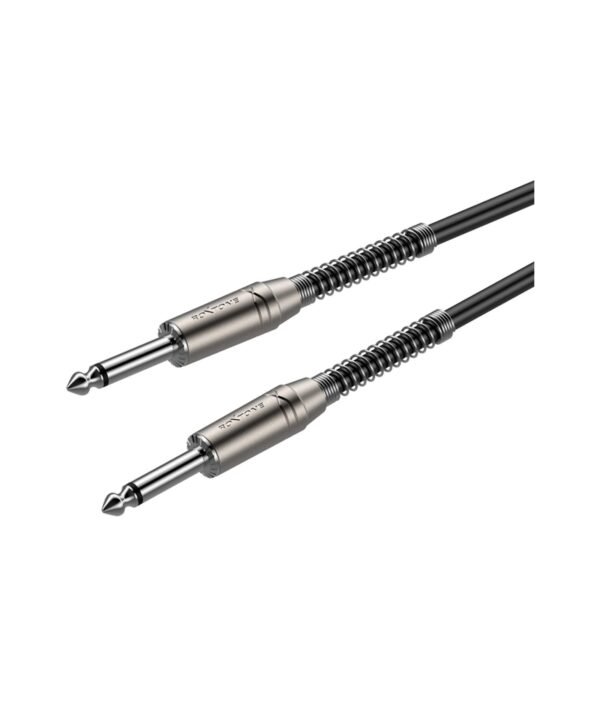
SGJJ100L2 ROXTONE
$33.000