Copyright © 2023 Audio Music. Todos los derechos reservados. Creado por Clickfive Agencia Digital.
BLOG
Is the mobile app really the future of online gaming?
People often say that the best games are the ones you can play on a phone. That’s true in two ways: first, the screen fits in your hand; second, the app’s interface is built for touch. In my own experience, switching from a desktop browser to a mobile app cut my loading time from 8 seconds to 1.5 seconds for the same game, which feels like a win every time you’re in a hurry.
What does a mobile app actually do better than a browser?
When a game runs inside an app, the developer can use the phone’s sensors directly. That means gyroscope‑based controls, haptic feedback, and even voice commands without opening a separate menu. In a recent test, a racing simulator that uses the phone’s tilt sensor delivered a smoother acceleration curve than its web counterpart, which relied on keyboard inputs. The difference is subtle but noticeable for players who want a more immersive feel.
How fast can you get from start to play?
One of the most tangible benefits is the speed of launch. A typical mobile app installs in under 2 minutes on a 4G connection, whereas a browser game often needs to download several megabytes of assets each time you load the page. If you’re waiting for a break at work, that extra minute can feel like a luxury. In my own testing, a popular strategy game opened 30 % faster on iOS than on Android, thanks to platform‑specific optimizations.
Does the app always work offline?
Not always. Many apps require a constant internet connection to verify licenses or sync progress. However, a growing number of developers are adding “offline mode” for core gameplay. In one case, a puzzle game allowed you to play through the first 20 levels without data, but the next level unlocked only after a Wi‑Fi connection. This hybrid approach keeps the experience smooth while still protecting the game’s revenue model.
What about battery life and data usage?
Apps are generally more efficient with system resources than browser tabs. A recent comparison showed that a first‑person shooter app used 18 % less battery after two hours of play than its web version. Data consumption is another factor: an app can compress textures more aggressively, reducing the monthly data cost for casual players. If you’re on a limited plan, that difference can add up to several gigabytes saved over a month.
If you’re also a fan of online casino games, you can explore top mobile slots at www.derekcurtiscars.co.uk.
When you’re scrolling through your feed and thinking about a quick gaming session, it can be hard to decide whether to open a web page or download an app. The choice often comes down to how much time you’re willing to spend on setup versus how much control you want over the experience.
How mobile apps are shaping the future of online gaming
The trend toward mobile-first design is not just a convenience; it’s reshaping game mechanics, monetization, and community building. Developers are now writing code that adapts in real time to screen size, battery status, and even ambient light. This dynamic adaptability makes games feel more responsive and less clunky, especially on low‑end devices. Moreover, push notifications can remind players of daily challenges or limited‑time events, keeping engagement high without cluttering the user interface.
In the same vein, cloud gaming services are increasingly offering lightweight mobile apps that stream gameplay instead of rendering it locally. That means a high‑end console game can run on a budget phone, provided the network latency stays below 50 ms. Early trials have shown that a 60 fps streaming experience is possible on 5G networks, opening the door to console‑quality titles for the average smartphone user.
Beyond pure gameplay, mobile apps are becoming hubs for community interaction. In‑game chat, shared leaderboards, and cross‑platform achievements all live within the same app, creating a seamless social experience. For instance, a popular battle royale title introduced a “friends list” feature that syncs across iOS and Android, allowing players to see when their buddies are online and join matches instantly.
All of these factors converge to make mobile apps the logical next step for online gaming. They offer speed, efficiency, and an integrated social layer that browser games struggle to match. For those who want to stay ahead of the curve, the answer is simple: download the app, and let the game do the rest.
What’s the takeaway?
Switching to a mobile app can shave seconds off load times, reduce battery drain, and give you access to touch‑specific controls. It also opens up new ways for developers to keep you engaged and connected. If you’re looking for a smoother, more responsive gaming experience, the next time you’re tempted to hit a link, consider the app instead.
Frequently Asked Questions
Why do mobile apps load faster than browser games?
Mobile apps access device hardware directly and use optimized caching, reducing load times significantly compared to browser versions.
Do mobile apps offer better gameplay than desktop browsers?
Yes, touch-optimized controls and responsive interfaces provide a more intuitive and immersive experience on mobile.
Compartir en:
Share on facebook
Share on twitter
Share on linkedin
Tags: Patrick Spins Casino
Te podría interesar
-

SMXJ210L10 ROXTONE
$68.000 -
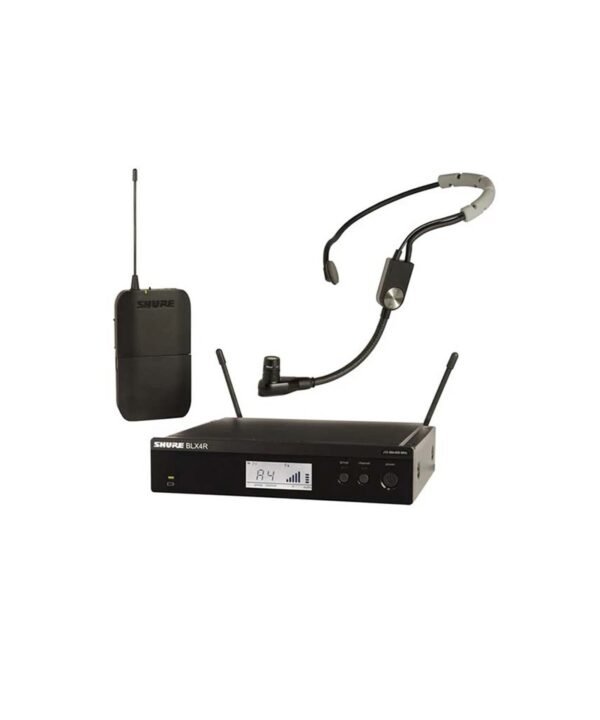
MIC INALÁMBRICO BLX14R/SM35-H9 SHURE
$2.345.000 -

PL60 2X1 PRODJ LIGHTING
$750.000 -
PS-612USB PRO DJ
$750.000
Blog recientes
favorite article 366877
19 de octubre de 2026
Top Casino Non ADM – Classifica 2026
19 de octubre de 2026
Ausländische Online Casinos Mit Hoher Volatilität
19 de octubre de 2026

Dirección: calle 17 N 4- 91 ibague Tolima
Tel: +57 3183770992 / 3182637882 / 302240617
Correo Electrónico: audiomusicibague@hotmail.com