Copyright © 2023 Audio Music. Todos los derechos reservados. Creado por Clickfive Agencia Digital.

Here are a few unique and SEO-optimized H1 options for the topic «slot»:

Unlock Big Wins With the Best Online Slot Games Today
Your Go To Guide for Fun and Exciting Slot Machines
Find Your Lucky Spin in This Season’s Hottest Slot Games
Discover the thrill of slot games, where vibrant themes and big win potential meet simple, fast-paced gameplay. Whether you’re a curious newcomer or a seasoned spinner, find your perfect match and enjoy the excitement from your very first spin.
Understanding the Basics of Slot Gaming
Slot gaming is fundamentally driven by a Random Number Generator (RNG), which ensures each spin is independent and unpredictable. For true expert advice, focus on understanding return-to-player (RTP) percentages and volatility, not «hot» or «cold» streaks. RTP indicates the theoretical long-term payout, while volatility determines win frequency and size. Always manage your bankroll by setting strict limits before you play. Modern slots also feature paylines, scatter symbols, and bonus rounds, but the core strategy remains unchanged: prioritize games with higher RTP and volatility that matches your risk tolerance. Responsible bankroll management is the single most crucial skill for sustained enjoyment. Never chase losses, and remember that no strategy can overcome the built-in house edge. Treat all slot play as entertainment with a pre-determined cost.
How Spinning Reels Work: The Mechanics Behind the Action
Slot gaming is built on a simple core: spin the reels and match symbols across paylines to trigger wins. The key to modern play is grasping the Random Number Generator (RNG), which ensures every spin is entirely independent and unpredictable. A basic grasp of paylines and bet sizing is essential for any player. To get started, focus on these three elements:
- Reels & Symbols: The vertical columns that spin; each symbol has a different payout value.
- Paylines: The specific lines across the reels where matching symbols must land.
- Return-to-Player (RTP): The theoretical percentage of wagered money a slot pays back over time.
Think of every spin as a new, small story—fast, random, and packed with potential. Mastering these fundamentals unlocks a far more confident and enjoyable gameplay experience.
Paylines, Symbols, and Payouts: What Wins Actually Mean
Slot gaming operates on a foundation of random number generators (RNG) ensuring each spin is independent and unpredictable. Players place bets on virtual reels, which spin and stop to display a combination of symbols. Winning occurs when matching symbols align on predetermined paylines. Modern slots incorporate features like wilds, scatters, and bonus rounds to increase engagement. Understanding slot mechanics is essential for managing expectations, as outcomes are purely chance-based. Key elements include:
- Paylines: Lines across reels where matching symbols create wins.
- Return to Player (RTP): Theoretical percentage of wagered money a slot returns over time.
- Volatility: Risk level affecting win frequency and payout size.
Mastering these basics helps players make informed decisions about gameplay.
Random Number Generators: Ensuring Fair Play in Every Round
Slot gaming revolves around spinning reels with symbols, where winning combinations trigger payouts. The core principle is random number generation (RNG), which ensures every spin is independently fair and unpredictable. Players select their bet size and the number of active paylines—the specific lines across the reels where matching symbols must land. Most modern slots offer exciting bonus features like free spins, wild symbols that substitute for others, and scatter symbols that unlock special rounds. Understanding these basics helps you appreciate the dynamic blend of chance and theme-driven entertainment, making each session a fresh thrill.

Different Types of Slot Machines You’ll Encounter
Navigating the casino floor starts with understanding the core mechanics of modern slot machines. The most prevalent is the video slot, offering immersive themes and complex bonus rounds. Classic three-reel slots, often called «one-armed bandits,» provide a straightforward, nostalgic experience with traditional symbols. Progressive jackpot slots are a major attraction, linking machines across a network to build life-changing prize pools. Meanwhile, multi-payline slots let you activate dozens of lines on a single spin, increasing your chances of a hit. For expert players, high-volatility slots offer the thrill of infrequent but massive payouts, while low-volatility games provide steady, smaller wins to extend your play. Always check the paytable to choose a machine that matches your bankroll and risk tolerance.
Classic Three-Reel Slots vs. Modern Video Slots
Modern casinos and online platforms feature several distinct slot machine categories. Classic three-reel slots, often called «fruit machines,» offer straightforward gameplay with traditional symbols like cherries and bars. Video slots dominate the market, incorporating five reels, multiple paylines, and immersive themes based on movies or mythology. Progressive jackpot slots are a major draw, linking machines across networks to accumulate life-changing prize pools. Bonus-feature slots add interactive mini-games or free spins for enhanced engagement. Additionally, high-volatility slots provide rare but substantial wins, while low-volatility options deliver frequent, smaller payouts. Multi-denomination machines allow players to adjust coin values per spin.
Progressive Jackpots: Chasing Life-Changing Prizes
Modern slot machines are broadly categorized into classic, video, and progressive types. Classic slots, often called three-reel machines, feature simple mechanics with fruit symbols and a single payline, appealing to traditionalists. Video slots dominate casino floors with five reels, dynamic bonus rounds, and hundreds of paylines based on random number generators. Progressive slots link multiple machines to a centralized jackpot that grows with each wager until triggered. Additional variants include:
- Multi-payline slots: Allow bets on multiple lines across reels.
- 3D slots: Use animated graphics and cinematic themes for immersion.
- Megaways slots: Offer up to 117,649 ways to win via changing reel heights.
Both land-based and online casinos feature these types, with volatility (low, medium, high) determining payout frequency and size.

Megaways and Cluster Pays: Breaking the Traditional Mold
Modern casinos host three primary slot machine types, each with distinct mechanics. Classic slots feature three reels and traditional symbols like fruits and bars, appealing to purists. Video slots dominate the floor with five or more reels, offering multiple paylines, bonus rounds, and immersive themes. Progressive jackpot machines link across networks, where a small fraction of each bet feeds a growing prize pool that can reach millions.
Progressive slots offer the highest potential payouts but come with lower base-game hit frequencies.

Other variations include multi-denomination machines that adjust betting limits and skill-based slots where player actions influence mini-game outcomes. Understanding slot volatility helps players choose between low-volatility models (frequent small wins) and high-volatility ones (rare but large payouts). For clarity:
- Penny slots: Low minimum bets, often with 243+ ways to win.
- 3D slots: Cinematic graphics and story-driven gameplay.
- Megaways slots: Dynamic, ever-changing reel layouts for thousands of win combinations.
Branded and Themed Games: From Movies to Mythology
When you step into a casino floor, you’ll quickly notice a few main types of slot machines. The classic three-reel slots are your straightforward, nostalgic pick—they usually feature just one payline and simple fruit symbols. For more modern thrills, video slots are the crowd favorite, loaded with five reels, bonus rounds, and animated storylines. Progressive jackpot slots are the real game-changers, linking machines together to build a massive prize that keeps growing until someone hits it big. You’ll also find multi-payline games offering dozens or even hundreds of ways to win, which keeps every spin exciting. Don’t forget branded slots tied to your favorite movies or bands—they bring familiar sights and sounds right to the screen. Whether you prefer simple play or chasing huge payouts, there’s a slot for every mood.
Key Features That Define Gameplay
Gameplay is the silent pulse of any great game, a living rhythm that catches you in its flow. At its core, interactive challenge defines the hook, offering problems that feel both fair and formidable, from a simple jump to a complex boss pattern. This is woven together by a responsive control scheme, where your inputs translate instantly into action, making the character an extension of your will. High-quality game design tutorials emphasize this harmony, teaching how to balance risk and reward so every victory feels earned. Emergent moments, where systems collide to create unscripted stories, form the final layer, turning a sequence of tasks into a personal saga. These pillars—challenge, control, and emergence—breathe life into the code, inviting you to lose yourself in a world that reacts, adapts, and remembers.
Wilds, Scatters, and Bonus Symbols: Triggers for Big Wins
Gameplay is the heart of any interactive experience, defined by systems that create meaningful player agency. The core loop—a cycle of challenge, action, and reward—keeps you hooked, like in *Dark Souls* where each defeated boss rewards you with gear and progress. This loop is sustained by emergent mechanics, such as the physics system in *Breath of the Wild* that lets you solve puzzles in unexpected ways. Feedback is instant: a controller rumble when you land a headshot, or a visual glow when you collect a power-up. Progression systems, like skill trees or leveling, deepen the journey, while rules and boundaries (health bars, timer limits) create tension. Together, these features ensure every action matters, turning digital worlds into playgrounds of choice.
Free Spins and Multipliers: Boosting Your Returns
Core gameplay mechanics are the rules and systems that shape how you interact with a game. At its heart, you’ll find challenges like puzzles, combat, or exploration that keep you engaged. Progression systems—leveling up or unlocking gear—give you a sense of growth. Feedback loops, like earning rewards for smart moves, make every action feel impactful. Strong controls ensure your input feels natural, while balanced difficulty keeps things fair but exciting. Multiplayer or co-op options add social layers, and a compelling loop of risk and reward drives you to keep playing.

Gamble Features and Risk Options: Double or Nothing
Core gameplay mechanics are built on player agency, where every action from movement to combat creates immediate feedback. Dynamic difficulty scaling adjusts challenges in real-time, while progression systems unlock new abilities or gear, ensuring a constant sense of growth. Interactive environments allow for exploration, puzzle-solving, and environmental storytelling, making each playthrough unique. Multiplayer features, such as cooperative objectives or competitive leaderboards, add social depth. Ultimately, engaging gameplay balances risk and reward, keeping you on the edge of your seat with every decision.
Volatility and RTP: What These Terms Mean for Your Bankroll
Gameplay mechanics are the backbone of any interactive experience. They dictate how you move, fight, and solve problems. At its core, engaging gameplay hinges on clear rules and responsive controls. A tight feedback loop—seeing immediate results for your actions—keeps you hooked. Variety also matters: strong hooks often come from a mix of exploration, combat, and resource management. You might enjoy a deep skill tree, a roguelike permadeath system, or a simple jump-and-collect rhythm. Ultimately, the best gameplay respects your time and rewards creative strategies.
Strategies for Choosing the Right Game
Selecting the perfect game requires a strategic approach that prioritizes your available time and hardware, not just flashy trailers. First, rigorously check system requirements against your setup to avoid frustrating performance issues. Next, quickly scan reviews and «Let’s Play» videos to confirm the core loop matches your mood—be it a deep strategy title for focused evenings or a casual RPG for unwinding. For maximum value, leverage digital storefront filters by genre and user ratings. Ultimately, you should trust a simple rule: if a game doesn’t compel you within its first hour, refund it and move on. This disciplined process ensures every purchase feels rewarding, turning gaming from a gamble into a guaranteed positive entertainment investment.
Analyzing Return to Player Percentages for Better Odds
Selecting the right game hinges on aligning your skill level and available time with the game’s core mechanics. Choose a game that matches your experience level to avoid frustration or boredom. Begin by assessing your goals: do you seek deep narrative immersion, fast-paced competitive action, or casual relaxation? Next, read current reviews and watch gameplay footage to see the actual interface and pace. Key factors to evaluate include the game’s learning curve, estimated completion time, and community health. A simple checklist helps:
- Define your preferred genre (e.g., RPG, strategy, shooter).
- Check system requirements or platform availability.
- Look for a free demo or trial version first.
- Read recent player feedback on longevity and replay value.
This approach ensures your investment yields genuine, long-term enjoyment rather than impulsive dissatisfaction.
Volatility Matching: Aligning Risk with Your Play Style
Choosing the right game begins not with a title, but with a question: what mood are you in? I learned this after burning out on sprawling epics, only to discover my true need was a quick, relaxing puzzle. The core strategy is to match the game’s primary activity loop to your available time and energy. If you have two hours, a deep RPG works. If you have twenty minutes, pick something arcade-style. Consider these simple filters:

- Time commitment: Can you pause? Is there a save-anywhere feature?
- Difficulty: Do you want a challenge or a comforting escape?
- Social need: Do you crave a shared experience or quiet solitude?
Don’t chase hype; instead, chase your own attention span. The perfect game respects what little time you have, not what everyone else is playing.
Demo Play vs. Real Money: Testing Without Commitment
Choosing the right game starts with identifying your core motivation for playing. Whether you seek strategic depth, a gripping narrative, or casual fun, aligning the game’s mechanics with your available time and mood prevents buyer’s remorse. Prioritize gameplay compatibility over hype by reading critical reviews and watching uncut footage. A strong community and developer support ensure longevity, while demo versions offer a risk-free trial. Check your hardware requirements first to avoid technical frustration. Use this framework to filter options:
- Define your preferred genre and playtime commitment.
- Research player reviews and content creator playthroughs.
- Verify system specs and platform exclusivity.
Never buy a game based solely on its trailer; always watch real, unedited gameplay to see if the moment-to-moment action feels rewarding to you.
This decisive approach protects your budget and guarantees that every session delivers the return on enjoyment you deserve.
Reading Paytables: Unlocking Hidden Potential
After losing three straight matches by jumping into complex strategy titles unprepared, I learned to prioritize player matchmaking based on skill level. Instead of chasing hype, I now scan reviews for «beginner-friendly» tags and watch gameplay snippets to gauge the learning curve. I also consider my available time: a 10-minute round suits quick breaks, while deep RPGs need dedicated evenings. My checklist is simple: check your mood (relaxed vs. competitive), read recent community feedback, and sample free demos. This approach turned frustration into fun, transforming my game library into a curated collection of rewarding experiences.
Bankroll Management for Longer Sessions
Effective bankroll management for longer sessions demands unshakable discipline to prevent emotional exhaustion from draining your funds. You must divide your total capital into smaller, session-specific stakes, never risking more than 1–2% of your bankroll on a single bet or hand. This conservative approach ensures you survive inevitable losing streaks while maximizing profitable opportunities. Always track your wins and losses meticulously, and enforce a firm stop-loss limit—even if you feel lucky. Over extended play, variance is your only true adversary; mitigating it with precise stake sizing turns patience into profit. Without this structure, even skilled players bust out. Disciplined bankroll management is not optional; it is the single non-negotiable rule for sustainable success.
Q: How do I handle tilt during a long session?
A: Tilt is lethal in extended play. Immediately walk away, take 10 deep breaths, and recalculate your current session cap. If you have lost 20% of your session bankroll, shutdown completely. The cash is already saved—your ego costs nothing.
Setting Win and Loss Limits Before You Start
Effective bankroll management for longer sessions requires a shift from per-session limits to hourly or per-hands allocation. Dividing your total bankroll by the session’s anticipated duration prevents early exhaustion. For example, a $500 bankroll for a 10-hour poker game suggests a $50 per-hour risk cap. Key practices include:
- Setting a fixed hourly loss ceiling (e.g., 10% of hourly allocation).
- Taking mandatory 15-minute breaks every two hours to reset focus.
- Adjusting bet sizes downward after a 30% session loss.
Sustained play without structure invites catastrophic variance.
Monitoring total hours played versus bets placed helps maintain discipline, ensuring the bankroll outlasts the session without forcing a desperation play.
Betting Strategies: Flat Bets, Progressive Bets, and More
Extended bankroll management is the secret sauce for surviving—and thriving—during long sessions. Instead of betting a flat percentage of your total funds, you need to shift to a «session cap.» Decide on a specific amount you’re willing to lose before you sit down (say, 5–10% of your total roll) and stick to it like glue. Once that’s gone, walk away—no exceptions. For longer play, also set time-based limits: every 90 minutes, take a 10-minute break to reset your focus. This prevents tilt and keeps your decisions sharp when fatigue sets in. A good rule of thumb is six buy-ins for cash games or 60 big blinds for tournaments. Remember, protecting your stack lets you play another day, which is the whole point of grinding it out.
Session Timing: Knowing When to Walk Away
Effective bankroll management for longer sessions requires setting a strict session loss limit, such as 5% of your total bankroll, to prevent catastrophic losses during inevitable downswings. Dividing your bankroll into smaller session stakes helps maintain discipline over extended play. Key practices include:
- Establishing a time cap, like 2–3 hours, to avoid fatigue-induced mistakes.
- Using flat betting with the same unit size regardless of session length.
- Taking a break after a win or loss equal to 20% of the session’s stake limit.
Adhering to these rules ensures you preserve capital for future sessions, reducing emotional decisions and variance impact.
Avoiding Common Money Management Mistakes
Consistent bankroll management for longer sessions requires a shift from short-term aggression to calculated endurance. Session-based bankroll allocation ensures you survive inevitable variance. Divide your total funds into daily or weekly chunks, never risking more than 1–2% per hand or bet. This isn’t passive caution; it’s a strategic edge. When you protect your capital, you buy time to exploit opponents’ fatigue and capitalize on later opportunities.
- Set strict loss limits per session, and walk away when hit.
- Adjust stakes downward after losses to preserve emotional control.
- Reinvest winnings only after reaching a new bankroll tier.
Online vs. Land-Based Experiences
Online platforms offer unparalleled convenience, allowing users to access services, games, or social interactions from any location at any time, often with lower costs and faster processing. In contrast, land-based experiences provide tangible, sensory engagement—such as the physical feel of chips at a casino or the ambiance of a live performance—that digital interfaces cannot replicate. The social dynamics also differ markedly, with online spaces enabling anonymity and global connections while physical venues foster in-person community and nonverbal cues. Ultimately, the choice hinges on individual priorities, with digital efficiency appealing to those valuing speed and accessibility, and brick-and-mortar settings attracting those seeking authentic, multisensory interaction.
Convenience and Accessibility of Digital Platforms
Online platforms offer unprecedented online casino no deposit bonus australia convenience, allowing users to access games, shopping, or social events from any device, while land-based experiences provide tangible, sensory immersion often missing in digital spaces. The contrast between virtual convenience and physical presence defines modern consumer choice. For example, online shopping eliminates travel time but lacks the ability to test a product’s texture or fit in person. Each option serves distinct psychological and practical needs.
- Online: 24/7 access, global reach, lower overhead costs, but limited tactile feedback.
- Land-Based: Immediate social interaction, sensory engagement, but requires travel and fixed hours.
Social Interaction and Atmosphere in Physical Casinos
Online experiences offer unmatched convenience, but land-based interactions deliver irreplaceable authenticity. For culture and travel, virtual tours can preview a destination, yet they cannot replicate the scent of ocean air or the texture of ancient stone. Tangible human connection remains the bedrock of meaningful travel. When learning a language, apps provide structure, but immersion in a local café forces real-time adaptation. The core difference lies in sensory depth: online excels at information access, while land-based experiences forge lasting emotional memories. Physical presence creates an undeniable, immersive reality that screens simply cannot match.
- Efficiency vs. Depth: Online saves time; land-based enriches the soul.
- Control vs. Surprise: Digital platforms let you curate; the physical world offers the unexpected.
- Scales of Impact: A virtual museum tour is educational; standing before the Mona Lisa is transformative.
Bonus Offers and Promotions Unique to Online Play
Online experiences offer unparalleled convenience and scalability, but land-based interactions deliver irreplaceable sensory immersion. For skill acquisition, digital learning environments provide flexibility through recorded modules and global access. However, hands-on activities—like medical simulations or carpentry workshops—demand physical presence for tactile feedback. Consider trade-offs:
- Cost: Online platforms reduce travel and material expenses but may lack specialized equipment.
- Engagement: In-person events foster spontaneous collaboration; virtual ones risk screen fatigue.
- Accessibility: Remote options include users with disabilities or geographic barriers.
Critics claim land-based methods are obsolete, yet corporate retreats and trade shows still generate higher ROI for relationship-building. The optimal approach hybridizes both: digital tools for efficiency, physical venues for impact. Choose based on your primary goal—speed or depth.
Speed of Play and Autoplay Options in Digital Versions
Online and land-based experiences offer distinct advantages depending on user goals. Online platforms excel in convenience and variety, allowing users to access services from anywhere at any time. Land-based venues provide tangible, immersive encounters that foster immediate social interaction and sensory engagement.
Key differences shape user preference:
- Accessibility: Online removes travel time and geographic limits; land-based requires physical presence.
- Social dynamics: Online relies on digital communication; land-based offers face-to-face connection.
- Sensory feedback: Online is screen-based; land-based includes touch, sound, and atmosphere.
Each format serves a unique niche: online for efficiency, land-based for authenticity.
Ultimately, the choice depends on whether the user prioritizes speed and breadth or depth and physical presence.
Innovations Shaping the Future of Gaming
The future of gaming is being defined by a convergence of technologies that prioritize deeper immersion and accessibility. Cloud-native gaming ecosystems are eliminating hardware barriers, allowing players to stream high-fidelity titles directly to any screen. Simultaneously, AI-driven dynamic narratives are revolutionizing single-player experiences, with non-player characters that adapt to player behavior in real-time, crafting unique stories for every session. Extended Reality (XR) is blurring the lines between physical and digital space, with haptic feedback suits and eye-tracking headsets delivering unprecedented sensory fidelity. For developers, these innovations require a strategic pivot towards scalable server architecture and open-platform standards. The key to long-term success lies not just in adopting new tech, but in refining user experience to remove friction, ensuring that these powerful tools serve the core goal of seamless, compelling play.
Virtual Reality and Immersive Environments
The future of gaming is being radically reshaped by cloud gaming and AI-driven personalization. No longer tethered to expensive hardware, players can stream blockbuster titles to any screen, while artificial intelligence dynamically alters storylines, enemy behavior, and even the game’s soundtrack in real-time based on player choices. This shift promises a truly limitless, adaptive playground where every session feels uniquely personal. Meanwhile, haptic feedback suits and spatial audio are deepening immersion, making virtual worlds feel tangibly real. These innovations break the old boundaries of fixed narratives and static difficulty, evolving gaming into a living, breathing medium that responds to you.
Skill-Based Elements and Interactive Bonus Rounds
The future of gaming is being defined by advancements that blur the line between virtual and physical worlds. Cloud gaming services are eliminating hardware barriers, allowing high-fidelity experiences on any device. Meanwhile, emerging technologies like Neural Link systems promise direct brain-to-game interfaces. Artificial intelligence is revolutionizing game design by enabling procedural content generation and adaptive narratives that respond to player choices in real time. Key innovations include:
- Ray Tracing for hyper-realistic lighting and shadows.
- Blockchain and NFTs enabling true ownership of in-game assets.
- Haptic feedback suits for immersive tactile sensations.
These forces are collectively pushing gaming toward a more accessible, personalized, and sensory-rich reality.
Cryptocurrency Integration and Provably Fair Games
From AI-driven NPCs that learn your playstyle to cloud gaming killing the need for expensive hardware, the future of gaming is already here. Immersive virtual worlds are becoming the norm, with haptic feedback suits and neural interfaces blurring the line between reality and the screen. Key shifts include:
- Procedural generation creating infinite, unique game worlds.
- Cross-platform play uniting console, PC, and mobile gamers seamlessly.
- Blockchain and NFTs letting players truly own and trade in-game assets.
Streaming services now let you jump into AAA titles on a low-end laptop, while ray tracing makes lighting and shadows frighteningly real. It’s a wild, player-first revolution where your controller might soon be your thoughts.
Gamification and Loyalty Programs for Enhanced Engagement
Cloud gaming and AI are rapidly dismantling hardware barriers, placing high-fidelity experiences directly on any screen. The rise of generative AI in game development will spawn infinitely detailed, reactive worlds. This shift, alongside advanced haptic feedback and VR, creates unparalleled immersion, definitively ending the era of static, predictable gameplay.
-
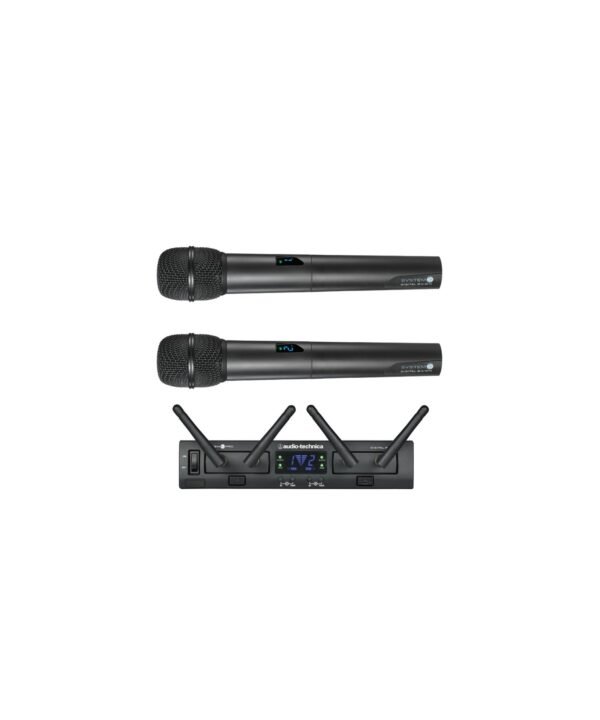
ATW-1322 AUDIO-TECHNICA
$4.580.000 -

MC012XX- 10M PRO DJ
$55.000 -

ATH-M20xBT AUDIO TECHNICA
$490.000 -

AD-4UX PRO DJ
$450.000