Copyright © 2023 Audio Music. Todos los derechos reservados. Creado por Clickfive Agencia Digital.

The Ultimate Guide to Playing at a Top Rated Online Casino

Step into the electrifying world of online casinos, where every spin and hand can lead to life-changing wins. With cutting-edge games and instant access, the ultimate gaming adventure is always just a click away—play to win.
Navigating the Digital Gambling Landscape
Navigating the digital gambling landscape requires a disciplined strategy to mitigate inherent risks. Begin by verifying that any platform holds a legitimate license from a recognized regulatory body, as this is your primary safeguard. Prioritize responsible gambling tools like deposit limits and reality checks to maintain control over your spending and time. Avoid platforms with opaque terms regarding bonuses or withdrawal processes, as these often signal predatory practices. Always store your login credentials securely and enable two-factor authentication to protect your account. Successful navigation hinges on treating gambling as entertainment, not as a source of income; never chase losses or wager money you cannot afford to lose. By applying these expert measures, you can engage with digital gambling more safely and sustainably.
How Virtual Gaming Platforms Have Evolved Over the Last Decade

The digital gambling landscape continues to evolve rapidly, driven by advances in mobile technology and regulatory shifts. Players now access thousands of online casinos, sportsbooks, and poker platforms, each offering varied levels of security and fairness. Understanding jurisdictional licensing is critical for safe participation. Key factors to consider include: verification of platform encryption, transparent terms for deposits and withdrawals, and independent audits of game randomness. Responsible gambling tools, such as deposit limits and self-exclusion options, are increasingly mandated in regulated markets. Consumers must also distinguish between legal, state-sanctioned sites and unlicensed offshore operators that lack consumer protections. Staying informed about local laws and platform histories helps mitigate risks associated with fraud or problematic play.
Key Differences Between Real-Money Apps and Free Play Sites
The digital gambling landscape requires a strategic, risk-aware approach to avoid significant financial and personal harm. Responsible bankroll management is the cornerstone of sustainable play, involving strict daily, weekly, and monthly loss limits. Before engaging, verify a platform’s licensing, encryption standards, and independent audit history to ensure fairness. Common pitfalls include chasing losses and playing fatigued; avoid both by setting time-based alarms. Treat all digital wagering as an entertainment expense, never an income source. Here are key expert checks:
- Confirm the site holds a valid license from a major jurisdiction (e.g., UKGC, MGA).
- Use only secure, one-touch payment methods with withdrawal confirmation delays.
- Review player complaint histories on independent forums before depositing.
Licensing Bodies and What They Mean for Player Safety
To safely navigate the digital gambling landscape, prioritize licensed platforms and strict bankroll management. Always verify a site’s regulatory credentials—such as the UKGC or MGA—before depositing funds. Set clear loss limits and time boundaries to prevent chasing losses. Responsible gambling tools, like deposit caps and self-exclusion options, are non-negotiable features of a secure operator. Avoid unregulated offshore sites that lack consumer protection. By treating gambling as entertainment rather than income, you maintain control. If the activity shifts from leisure to compulsion, seek help from organizations like GamCare immediately.
Game Variety That Keeps Players Engaged
The rustle of a new map, the clatter of shuffled cards, the quiet hum of a different world—this is the heartbeat of a true gaming platform. Variety isn’t just a feature; it’s the promise that boredom will never find you. One moment, you’re a lone explorer deciphering ancient ruins; the next, you’re leading a frantic raid for digital treasure. This constant shift in pace and genre acts as a powerful player engagement engine. For developers, offering a deep catalog of experiences isn’t just a bonus—it’s a core SEO strategy that keeps both algorithms and adventurers returning. Every session feels like a fresh chapter, ensuring the story of your gameplay never grows old.
Slot Machines: From Classic Reels to Megaways and Progressive Jackpots
Game variety is the lifeblood of player retention, offering a dynamic ecosystem where no two sessions feel the same. By seamlessly blending genres—from pulse-pounding action to deep strategic puzzles—developers create an experience that constantly challenges and surprises. Diverse gameplay loops ensure that boredom never sets in, as players can switch between solo campaigns, cooperative raids, and competitive arenas. Consider the array of engagement hooks:
- Skill-based challenges that reward mastery and quick reflexes.
- Exploration-driven worlds filled with hidden lore and secrets.
- Social interactions like guild wars or trading economies.
This multi-layered approach means every login offers a fresh objective, keeping the adrenaline high and the replay value infinite. Whether conquering a boss or building a virtual empire, the constant shift in pace and purpose fuels an unbreakable cycle of curiosity and commitment.
Table Games: Blackjack, Roulette, and Baccarat Variations Explained
The digital slot floor hums with the promise of perpetual novelty, where games shift from ancient Egyptian tombs to futuristic neon cities in a single tap. This curated variety ensures boredom never settles, as each title offers unique wilds, bonus rounds, and narrative twists. The cascade of symbols feels less like a gamble and more like turning pages in an endless choose-your-own-adventure. Players bounce from cluster-pays in a jungle to three-reel classics, each session offering a new rhythm. Diverse slot mechanics are the secret to keeping the reels spinning—because when the risk of monotony disappears, the thrill of the next unknown keeps them coming back.
Live Dealer Experiences: Streaming Real-Time Action to Your Screen
A great casino library keeps the fun alive by offering a constant shuffle of themes and mechanics. You never get bored when you can jump from a classic fruit slot to a high-tech video poker game in one click. The best platforms mix it up with diverse live dealer tables, progressive jackpots, and skill-based options, ensuring every session feels fresh. Variety isn’t just about quantity; it’s about how each game offers a different rhythm, narrative, and win potential.
“Switching from a lightning-fast slot to a deliberate blackjack hand changes your entire energy—that’s the secret to staying hooked without burning out.”
To keep things engaging, look for features like:
- Megaways slots with thousands of paylines
- Low-stakes table games for relaxed play
- Tournaments with leaderboard prizes
This blend of speed, strategy, and risk ensures you’re always exploring a new way to win.
Specialty Games: Bingo, Keno, and Scratch Cards for Quick Thrills
A diverse game library is the cornerstone of sustained player retention, directly combating the fatigue that sets in from repetitive mechanics. High-volatility slot rotations ensure that players always have a fresh path to potential big wins, pairing classic themes with modern bonus features. To maintain this engagement, consider a core selection spanning:
- Fast-paced arcade titles for instant gratification.
- Strategic card games with skill-based outcomes.
- Progressive jackpot hubs for long-term hunters.
Even the best game needs a contrasting companion to stay exciting. Rotating seasonal events and limited-time challenges further disrupt monotony, keeping the platform dynamic without overwhelming your audience.
Smart Bankroll Management for Newcomers
Effective smart bankroll management is the cornerstone of sustainable gambling for newcomers, as it prevents rapid financial loss. This strategy involves setting a strict, predetermined budget for a set period, such as a week, and never exceeding it regardless of wins or losses. Each session should use only a small fraction of this total, typically 1-5%, to withstand inevitable losing streaks without depleting funds. Separating this bankroll from personal finances and never chasing losses are critical rules. By adhering to these limits, beginners protect their long-term capital and ensure the activity remains controlled, making bankroll management a fundamental skill for any new participant.
Setting Deposit Limits and Sticking to a Budget
Smart bankroll management is the bedrock of sustainable success, protecting newcomers from emotional decisions and sudden losses. Instead of chasing wins, allocate only a small, fixed percentage of your total funds—typically 1% to 3%—per single bet or session. This approach keeps you in the game during downswings and lets you capitalize when luck turns. A solid rule is to never risk more than you can afford to lose, and always set a clear stop-loss limit for the day. By treating your bankroll as a business asset, you shift focus from gambling to calculated play. Effective bankroll management for beginners transforms volatility into a manageable rhythm, letting you learn and grow without devastating setbacks.
Understanding RTP, House Edge, and Volatility in Game Selection
Smart bankroll management is the cornerstone of sustained success in betting, transforming casual no deposit casino online play into a disciplined strategy. For newcomers, the golden rule is to set a dedicated, non-essential bankroll and never risk more than 1-5% of it on a single wager. This approach avoids the common pitfall of chasing losses and preserves funds during inevitable downswings. Always separate your betting money from living expenses and track every bet to identify winning patterns. Effective bankroll management for sports betting ensures you weather losing streaks and capitalize on winning opportunities. By treating your funds as a business asset and prioritizing capital preservation, you avoid emotional decisions and build long-term profitability. Remember, protecting your bankroll isn’t boring—it’s the only way to stay in the game.
The Role of Bonuses: Welcome Offers, Free Spins, and Wagering Requirements
Smart bankroll management is your best friend when starting out. Think of it as setting a strict budget for entertainment—money you’re totally okay with losing. The golden rule is to never chase losses. Start by allocating a fixed, small percentage of your total bankroll per wager. This keeps the fun alive and your wallet safe.
- Set a total budget: Only use money set aside for fun.
- Unit sizing: A typical safe bet is 1-5% of your bankroll.
- No chasing: If you lose, accept it. Don’t double down to break even.
Withdrawal Timelines and Processing Fees You Should Know
Newcomers often feel the thrill of their first bet, imagining quick wins, but the truth is that the house edge is a marathon runner, not a sprinter. Successful wagering begins with setting strict loss limits before you place a single stake. Imagine your bankroll as a fire: feed it too much kindling, and it burns out fast. Start small, committing only what you can afford to lose, and treat your initial funds as a tuition fee for learning the game’s rhythm. Use a consistent stake size—typically 1-2% of your total roll per wager—to weather inevitable bad streaks. This isn’t about chasing glory; it’s about surviving until luck swings your way.
The surest way to lose everything is to bet when you are emotionally high or desperate.
Discipline transforms gambling from pure chance into a calculated pastime. Stick to these rules, and you will play tomorrow’s game instead of watching from the sidelines broke.
Mobile Gaming and Platform Accessibility
Mobile gaming has completely flipped the script on who gets to call themselves a gamer. Because smartphones are everywhere, you no longer need a pricey console or a souped-up PC to dive into incredible worlds. This has made mobile gaming accessibility a total game-changer, letting folks play during a commute, a lunch break, or while lounging on the couch. The biggest win? The platform itself—a device you already own—removes nearly every barrier to entry.
Your phone is the most powerful and democratic gaming console ever made, putting thousands of experiences right in your pocket.
Whether you’re into hyper-casual puzzles or deep RPGs, the sheer variety and low cost of entry ensure that gaming for everyone isn’t just a goal; it’s the everyday reality. This shift has turned mobile into the largest and most inclusive gaming scene on the planet.
Dedicated Apps Versus Browser-Based Play: Pros and Cons
Mobile gaming has significantly expanded the reach of the industry, primarily due to the low barrier to entry offered by smartphones compared to dedicated consoles or PCs. Platform accessibility in mobile gaming is a critical factor, as it determines which players can effectively engage with a title. Developers now prioritize features like scalable graphics, adjustable text size, and redefinable control layouts to accommodate diverse hardware and user needs.
Key aspects that influence platform accessibility include:
- **Operating System Parity:** Ensuring core performance and features are similar across both iOS and Android, despite fragmentation.
- **Hardware Requirements:** Optimizing games for a wide range of processor speeds and RAM capacities.
- **Input Methods:** Supporting touch, controller, and keyboard peripherals for flexibility.
- **User Interface:** Creating scalable menus and clear visual cues for various screen sizes and resolutions.
Touchscreen Optimization for Slots and Live Dealer Games
Mobile gaming has democratized the industry by prioritizing platform accessibility, breaking down barriers for millions who lack high-end consoles or PCs. Cross-platform compatibility is now a standard expectation, allowing players on Android and iOS to compete seamlessly. This shift is not a trend; it is a revolution in user acquisition. Key drivers include:
- Touchscreen optimization replacing complex controller inputs.
- Free-to-play models lowering the financial barrier to entry.
- Cloud streaming services enabling high-fidelity games on low-spec devices.
By embracing this universal accessibility, developers are not just expanding their audience—they are future-proofing their revenue. The data is clear: mobile remains the fastest-growing gaming segment because it meets players where they already spend their time.
Cross-Device Syncing and Account Management on the Go
Under the dim glow of a late-night bus, a factory worker pulled out his budget smartphone. While high-end consoles gathered dust in living rooms, his device offered a different kind of escape. Mobile gaming has become the great equalizer, democratizing play through platform accessibility. Games now launch on both premium flagships and entry-level devices, bridging the gap between casual and core audiences. This shift isn’t just about convenience; it’s about inclusion. Players from diverse economic backgrounds can now access hit titles, from strategy games to immersive RPGs, without needing a dedicated console. The barriers of cost and hardware have crumbled, making the mobile screen a universal portal for interactive storytelling.
Payment Methods and Transaction Security
Seamless transactions hinge on robust payment methods and ironclad security. Whether you favor digital wallets, credit cards, or bank transfers, the modern ecosystem prioritizes encryption and tokenization to shield sensitive data. Biometric authentication and one-time passwords add dynamic layers of defense, ensuring every checkout feels swift yet secure. This fusion of convenience and protection builds trust, transforming routine purchases into confident, frictionless exchanges. By adopting advanced fraud detection, merchants create a safe haven for your financial details, making online payment security a non-negotiable pillar of e-commerce. The result? A vibrant, trusted marketplace where speed meets serenity, and your money moves with absolute transaction safety.
Cryptocurrency Options: Bitcoin, Ethereum, and Instant Payouts
Selecting secure payment methods is critical for protecting financial data. Use credit cards or reputable digital wallets that offer fraud protection and zero-liability guarantees. Implementing tokenization reduces sensitive data exposure because it replaces card numbers with unique, non-reusable identifiers. For optimal security, always verify a website uses HTTPS and avoid saving payment details on merchant sites. Key practices include:
- Enable two-factor authentication (2FA) on all payment accounts.
- Only use PCI-DSS compliant payment gateways.
- Monitor statements weekly for unauthorized transactions.
Transactions routed through SSL encryption create a secure tunnel between your device and the server. Avoid public Wi-Fi when paying; instead, use a VPN or cellular data. For recurring payments, set spending limits and revoke unused subscriptions immediately to minimize breach impact.
E-Wallets, Credit Cards, and Prepaid Vouchers Compared
When it comes to online shopping, having a variety of payment methods—like credit cards, PayPal, or digital wallets—makes life easier, but transaction security safeguards your financial data against theft or fraud. To keep your money safe, always look for «https://» in the URL and avoid public Wi-Fi during checkout. A secure payment gateway encrypts every detail, so hackers can’t read it—think of it as a digital vault for your card numbers. If a site asks for unnecessary info, that’s a red flag.
Never share your CVV or one-time password with anyone—legit platforms will never ask for them directly.
Encryption Standards and Two-Factor Authentication
Modern online stores thrive on offering flexible secure payment gateways that protect every transaction. From credit cards and digital wallets like PayPal to Buy Now Pay Later services, each method is encrypted using TLS protocols and tokenization to shield sensitive data. To maintain trust, platforms enforce strict measures:
- PCI DSS compliance for card handling
- Two-factor authentication (2FA) for user logins
- Real-time fraud detection algorithms
True security isn’t just encryption—it’s the invisible barrier that makes every click feel as safe as cash.
Whether paying via Apple Pay or a direct bank transfer, the combined shield of SSL certificates and zero-liability policies ensures your financial details never leak. This seamless fusion of convenience and protection keeps e‑commerce vibrant and worry-free.
Currency Conversion and No-Limit Transactions for High Rollers
In the modern digital marketplace, the diversity of payment methods directly correlates with customer trust and conversion rates. Consumers expect frictionless options like credit cards, digital wallets (PayPal, Apple Pay), and Buy Now, Pay Later services, each requiring robust transaction security protocols to function. To safeguard every payment, we deploy end-to-end encryption, tokenization to replace sensitive card data, and real-time fraud monitoring that flags suspicious activity instantly. Our checkout experience is streamlined yet fortified, ensuring that whether a user pays via a one-click stored card or a cryptographically secured crypto transfer, their financial data remains strictly confidential. Confidence is non-negotiable here; every gateway utilizes 3D Secure verification and PCI DSS compliance standards. By prioritizing layered security without sacrificing speed, we build the essential foundation for long-term customer loyalty. Trust is delivered with every single transaction.
Responsible Gaming Tools and Player Protection
Responsible Gaming Tools empower players to maintain control by setting deposit limits, loss caps, and session time reminders, transforming gameplay into a safe, deliberate activity. Self-exclusion programs allow users to ban themselves from platforms for chosen periods, enforced by operators through player protection protocols that detect and block at-risk betting behavior. These safeguards, including reality checks and cooling-off periods, are not restrictions but essential defenses against harm. By integrating these tools, the gaming industry demonstrates an unwavering commitment to ethical operations and consumer welfare. Using them is a sign of strength, not weakness—a confident strategy to enjoy entertainment sustainably while preventing financial or emotional strain.
Self-Exclusion Programs and Reality Check Reminders
In the digital age, the glow of a screen can blur the line between a game and a problem. That is why modern platforms now bake player protection measures directly into the experience. A friend of mine, Alex, once set a simple deposit limit after a late-night binge—a tool that quietly saved his weekend budget. These features work like a gentle hand on the shoulder: reality checks remind you of time spent, cool-off periods pause the action, and self-exclusion offers a temporary exit.
“The most powerful tool isn’t a block—it’s the quiet moment when you realize you are still in control.”
Many operators also provide loss limits and session timers to keep play sustainable. Responsible gaming tools don’t just protect a player’s wallet; they protect the joy of the game itself. When these options are easy to find and use, the player wins twice—once in the game, and once in the wisdom to walk away.
Identifying Problem Gambling Behaviors Early
In the evolving world of digital play, the first line of defense is a personal budget. Casio, a seasoned player from Brighton, learned this after setting a monthly deposit limit. That simple tool, just a click in his account settings, became his anchor. Responsible gaming tools empower players to set time and spending caps. These features now include cool-off periods, reality checks that flash on-screen, and self-exclusion options. Casio once ignored a reality check during a late-night session, but the next day, he appreciated the nudge.
The strongest tool is the one you use before you need it.
Players who track their gameplay logs often gain a clearer perspective, turning a reactive habit into a proactive choice.
Deposit Cool-Off Periods and Loss Limits
Modern casinos and iGaming platforms prioritize player well-being through robust responsible gaming tools. These systems empower users to set deposit limits, loss caps, and session time reminders, ensuring gambling remains a controlled form of entertainment. Self-exclusion programs allow players to voluntarily block access for set periods, providing a critical safety net for those at risk. To further strengthen protection, operators integrate mandatory reality checks and cool-off periods. When you play on a licensed site, these features aren’t optional; they are built into the core experience to foster a safe environment.
Support Resources: Helplines, Forums, and Counseling Services
Responsible gaming tools are designed to help you stay in control while having fun. Setting personal limits is the foundation of smart play, allowing you to cap deposits, losses, and session times before you start. Most platforms also offer cool-off periods and self-exclusion options if you need a break. These features aren’t about restriction, but about keeping your experience positive. Built-in reality checks can nudge you with reminders of how long you’ve been playing, while activity statements let you review your history at a glance. Player protection goes further with mandatory age and identity verification, plus AI-driven systems that flag risky behavior patterns early. Together, these tools help ensure that betting stays a form of entertainment, not a source of stress.
Regional Regulations and Legal Considerations
Regional regulations and legal considerations vary significantly across jurisdictions, creating a complex compliance landscape. Companies must navigate distinct data protection laws, such as Europe’s GDPR, California’s CCPA, and Brazil’s LGPD, which impose strict rules on data collection and user consent. The evolving legal requirements for e-commerce, including digital contract enforceability and electronic signature validity, also differ by region. Furthermore, marketing practices are closely governed, with specific bans on spam and misleading advertisements enforced by local authorities. Ignoring these regional nuances can lead to severe penalties, including fines and operational bans. Therefore, a robust multi-jurisdictional compliance strategy is essential for any global enterprise to ensure business continuity and legal security.
Jurisdictions with Fully Legalized Markets
Regional regulations demand strict adherence, as non-compliance can result in severe financial penalties and operational shutdowns. Legal frameworks vary dramatically across jurisdictions—from the GDPR in Europe to CCPA in California—each imposing unique requirements on data handling, consumer rights, and cross-border transfers. Companies must navigate these differences by conducting thorough audits and engaging local legal counsel. Understanding regional compliance frameworks is critical for global market access.
- Data Privacy: GDPR requires explicit consent and breach notification within 72 hours; China’s PIPL mandates data localization for critical industries.
- E-commerce: The EU’s Digital Services Act imposes transparency on algorithms; India’s IT Rules require traceability for messaging apps.
Q: Can one global privacy policy apply everywhere?
A: No. You must customize disclosures, consent mechanisms, and data storage to meet local laws—a blanket policy risks fines exceeding 4% of annual global turnover under GDPR.
Gray Zones: Playing From Restricted Countries
Navigating the maze of regional regulations is like tending a garden that grows differently in every plot. In the European Union, the General Data Protection Regulation (GDPR) acts as a strict gatekeeper, demanding transparency before any data seed is planted. Meanwhile, California’s Consumer Privacy Act (CCPA) grants its residents powerful rights to prune their digital traces. Ignoring these patchwork laws can leave your business tangled in costly legal vines. Key considerations include:
- Data Residency: Many nations now require local storage of sensitive information.
- Age Verification: Rules like COPPA in the U.S. restrict data collection from minors.
- Cookie Consent: Active opt-in mechanisms are mandatory in most of Europe.
Adhering to these localised requirements isn’t just about avoiding fines; it builds a reputation of trustworthiness. Ultimately, a well-mapped compliance strategy protects your venture while respecting the unique legal soil of every region it touches.
Tax Implications on Winnings for US and UK Players
Regional regulations and legal considerations vary significantly across jurisdictions, impacting how businesses manage data, labor, and product compliance. Cross-border data transfer laws often present the most complex challenge, requiring adherence to frameworks like the EU-US Data Privacy Framework while also meeting local storage mandates in countries such as Brazil or India. Key areas to monitor include:
- Data protection: GDPR in Europe, CCPA in California, and PDPA in Singapore.
- Employment law: contrasting at-will employment in the US with strict termination rules in Germany.
- Product standards: CE marking for Europe, FCC certification for the US, and China Compulsory Certification (CCC).
Failure to align operations with these local mandates can result in fines, import bans, or reputational damage. A proactive legal audit across every operating territory remains the most reliable mitigation strategy.
Age Verification and Identity Checks at Registration
When expanding your business, you can’t ignore regional regulations and legal considerations, which often vary wildly from one area to the next. Key factors include data privacy laws like GDPR in Europe or CCPA in California, plus industry-specific rules for sectors like healthcare or finance. You’ll also need to navigate local requirements for:
- Business licensing and permits
- Tax reporting (e.g., VAT in the EU)
- Employment laws (minimum wage, benefits)
- Environmental compliance

A common mistake is assuming a contract valid in one state works in another—liability clauses can be enforced differently. Always check zoning laws for physical locations and intellectual property protections if you’re selling across borders. Ignoring these can lead to fines, lawsuits, or a forced shutdown. Stay current with local updates or hire a legal expert to keep your operations smooth and compliant.
Maximizing Promotions Without Pitfalls
To truly succeed, promotion must be a magnet, not a millstone. Avoid generic offers by leveraging data-driven personalization, tailoring discounts to specific customer behaviors and purchase history. This prevents margin erosion while boosting conversion rates. Create urgency with limited-time scarcity, but never deceive customers with false deadlines, as trust is your most valuable currency. Structure tiered rewards that encourage higher spending, yet always cap your liability to protect profits. Coordinate across every channel—email, social, in-store—to deliver a seamless brand experience, eliminating friction and confusion. By balancing aggressive targeting with transparent value, you transform a simple sale into a sustainable growth engine, avoiding the common trap of devaluing your product. The key is ensuring every promotion feels like a unique win for the customer, not a desperate plea for their business.
Reading the Fine Print on Matched Deposit Bonuses
To maximize promotional impact, brands must strike a delicate balance between urgency and authenticity. Overusing deep discounts can erode perceived value and train customers to wait for sales. Instead, leverage scarcity by offering limited-time bonuses or exclusive bundles that reward loyalty without slashing core prices. Avoid common pitfalls like cluttered messaging or targeting the wrong audience; every promotion needs a clear, measurable goal. Monitor analytics to spot cannibalization risks—if a key freebie or offer dominates all sales, your profit margins suffer. For maximum effect, layer your strategies:
- Use tiered discounts for higher cart values.
- Implement exit-intent pop-ups with a low-risk offer.
- Gate promotions behind email sign-ups to grow your list.
Above all, preserve brand prestige: a robust promotion should feel like a celebration, not a fire sale.
Loyalty Programs and VIP Tiers for Frequent Players
Maximizing promotions without pitfalls requires a strategic focus on sustainable customer acquisition. Avoid blanket discounts that erode profit margins; instead, target high-value segments with personalized offers. Key safeguards include: setting clear financial limits, analyzing historical sales data to predict demand spikes, and ensuring inventory can meet promotional commitments without backorders. Missteps often arise from over-discounting, which trains buyers to delay purchases, or from poorly communicated tiered offers that create confusion. Always A/B test your campaign structure, cohort-track redemption rates, and plan a post-promotion retention sequence—such as a thank-you offer or loyalty points—to convert one-time buyers into repeat patrons. This approach protects brand equity while driving measurable revenue growth.
No-Deposit Offers: Risks, Rewards, and Strict Conditions
To maximize promotions without pitfalls, focus on value-driven offers rather than deep discounts that erode profit margins. A successful campaign targets the right audience through segmented email lists or social media ads, ensuring your exclusive customer rewards reach eager buyers. Set clear timelines and inventory limits to create urgency, while monitoring metrics like conversion rate to avoid overselling. Strategic promotion planning prevents common mistakes: over-communicating, which annoys subscribers, or neglecting post-sale follow-up to retain new customers. Test small before scaling to refine your approach.
Cashback Deals and Reload Bonuses for Sustained Play
Maximizing promotions without pitfalls requires a laser focus on value perception, avoiding desperation that erodes brand equity. The key is implementing strategic discount fatigue prevention through tiered offers and limited-time exclusivity. Instead of blanket markdowns, leverage VIP access or bundle deals to maintain profit margins. Avoid common traps like over-rewarding coupon stacking, which cannibalizes revenue, or neglecting post-promotion follow-up to retain new customers. Use clear expiration dates and scarcity triggers to drive urgency without cheapening your image. When executed with precision, promotions boost sales velocity while preserving long-term price integrity.
Technology Driving the Next Generation
The next generation is being fundamentally reshaped by technology, which serves as both the engine of opportunity and the crucible of new challenges. Artificial intelligence and immersive virtual environments are dismantling traditional educational barriers, offering personalized learning pathways that adapt in real-time to individual potential. This digital landscape demands new competencies, moving beyond rote memorization to foster critical thinking and creative problem-solving. As digital natives, these young minds will not just consume innovation but will be its primary architects, leveraging powerful tools to address global issues from climate change to healthcare. The future belongs to those who can navigate this complex, data-rich ecosystem with agility and ethical foresight, making technological fluency the new cornerstone of empowered adulthood. This shift is not merely an option; it is the defining trajectory of progress.
Virtual Reality Casinos and Immersive 3D Environments
Advanced artificial intelligence and ubiquitous connectivity are reshaping how the next generation learns, works, and lives. Next-generation technology integration demands a strategic shift from passive consumption to active creation. Young professionals must prioritize fluency in data analysis and human-machine collaboration to remain competitive. Invest early in building a personal learning network to stay ahead of rapid obsolescence. Key tools to master include:
- Generative AI platforms for rapid prototyping and problem-solving.
- Cloud-based collaboration suites for distributed teamwork.
- Cybersecurity fundamentals to protect digital assets.
These capabilities directly fuel innovation in fields like sustainable energy and precision medicine, where the next generation will solve challenges we cannot yet imagine. Start building your technical foundation today.
AI-Powered Personalization and Game Recommendations
Technology is the engine revving up the next generation, shaping how they learn, connect, and innovate. From AI-powered tutors that adapt to a kid’s unique pace to collaborative virtual workspaces, digital tools are removing old limits. This shift is all about personalized learning experiences that put control back in the user’s hands. Instead of static textbooks, young minds now build skills through interactive platforms. The result? A generation that isn’t just consuming tech, but actively coding the future on their own terms.
Provably Fair Algorithms for Crypto-Based Platforms
Technology is fundamentally reshaping the next generation by embedding intelligence into daily life through AI and automation. The future of digital innovation hinges on adaptive systems that learn user behavior, from personalized education platforms to smart home ecosystems. Key drivers include:
- Generative AI for creative and analytical tasks.
- Edge computing for real-time, low-latency interactions.
- Quantum-ready architectures to handle next-gen data loads.
These tools demand a shift from passive consumption to active problem-solving. For experts, the priority is designing frictionless interfaces that foster digital fluency without overwhelming cognitive load. The next wave isn’t about more devices—it’s about seamless, predictive integration that amplifies human potential while maintaining ethical guardrails.
Face-to-Face Interactions Through Enhanced Live Streams
Technology is not merely a tool for the next generation; it is the engine redefining human potential. From AI-driven personalized education to blockchain-secured digital identities, emerging innovations dismantle traditional barriers to knowledge and opportunity. The future of workforce automation demands a paradigm shift, where young people must master adaptive skills like coding, data literacy, and collaborative robotics. Key drivers include immersive virtual classrooms that transcend geography, decentralized finance platforms enabling instant global entrepreneurship, and AI mentors offering real-time career guidance. This digital ecosystem fosters resilience, creativity, and hyper-connectivity, equipping youth to solve systemic problems with unprecedented speed. The generation that leverages these tools will not merely survive disruption—they will architect tomorrow’s economy, culture, and governance. Embrace the leap, or be left behind.
Customer Support and User Experience Metrics
Customer support and user experience metrics provide quantifiable insights into service quality and satisfaction. Key indicators include First Response Time (FRT) and Customer Satisfaction Score (CSAT), which measure efficiency and emotional outcome. An important SEO-related phrase to monitor is Zero-Contact Resolution Rate, as it correlates with both cost reduction and frictionless self-service design. Other essential UX metrics are Task Success Rate and System Usability Scale (SUS), which reveal interface clarity and user effort. Together, these data points help teams identify pain points, prioritize fixes, and improve retention without relying on anecdotal feedback.

Q: Why is First Response Time critical for UX?
A: It directly impacts perceived reliability; faster replies reduce user anxiety, lowering churn risk.
Q: Does high CSAT guarantee good user experience?
A: Not entirely—CSAT measures satisfaction with a specific interaction, while UX metrics like SUS evaluate overall system ease-of-use and learnability.
Live Chat Availability, Response Times, and Language Options
Customer support and user experience (UX) metrics are essential for evaluating digital service quality and guiding product improvements. First contact resolution rate directly impacts customer satisfaction by measuring how often issues are solved in a single interaction. Key UX metrics include task success rate, time on task, and System Usability Scale (SUS) scores. Support teams commonly track:
- Average handle time (AHT)
- Customer satisfaction score (CSAT)
- Net Promoter Score (NPS)
Q: What metric connects support quality with user retention?
A: NPS (Net Promoter Score) strongly correlates with loyalty, as it measures how likely users are to recommend the service after support interactions.
FAQ Sections and Self-Help Guides for Common Issues
When customers hit a snag, the clock starts ticking. That first interaction becomes a story of friction or flow, measured by customer support and user experience metrics. A single delayed reply can turn a loyal user into a lost one, while a witty, fast solution builds trust. We track First Response Time like a heartbeat, knowing every extra minute erodes patience. CSAT scores reveal the emotional temperature after a chat, but the real gold lies in Effort Score—how hard did the user have to work? Low effort means they’ll return. We also monitor resolution rates, ensuring the story doesn’t end with a frustrated repeat call. These numbers aren’t just data; they’re the plot points of a relationship.
Email and Ticket-Based Support for Complex Queries
Customer support and user experience metrics are the twin compasses guiding digital success. Tracking metrics like First Response Time (FRT) and Customer Satisfaction Score (CSAT) reveals how swiftly and effectively teams resolve issues. Meanwhile, UX dashboards track Task Success Rate (TSR) and Time on Task to pinpoint friction points. By merging support data with behavioral analytics, companies uncover hidden patterns—for example, high ticket volume often signals a confusing UI element. To boost retention, teams must prioritize:

- Net Promoter Score (NPS) – measures user loyalty and likelihood to recommend.
- Churn rate & error rate – reveals critical UX breakdowns.
Acting on these insights transforms passive support into proactive product improvements, reducing queries by up to 40% and driving seamless user journeys.
User Reviews and Reputation Tracking Across Forums
Customer support and user experience metrics form the backbone of any successful digital product. By tracking first response time and resolution rate, teams can identify friction points that frustrate users. Key indicators like Net Promoter Score (NPS) and Customer Satisfaction Score (CSAT) reveal real-time sentiment, while churn rate signals deeper UX flaws. Every delayed reply or confusing interface silently pushes users toward competitors.
- Task Success Rate: Measures how effectively users complete core actions without errors.
- Average Handle Time (AHT): Balances speed with quality to reduce abandonment.
- Session Replay Analysis: Uncovers invisible usability bottlenecks.
When these metrics align—low ticket volume with high CSAT—it signals a frictionless experience. Dynamic dashboards that link support queues to UX heatmaps empower proactive fixes, turning reactive service into a growth engine.
-
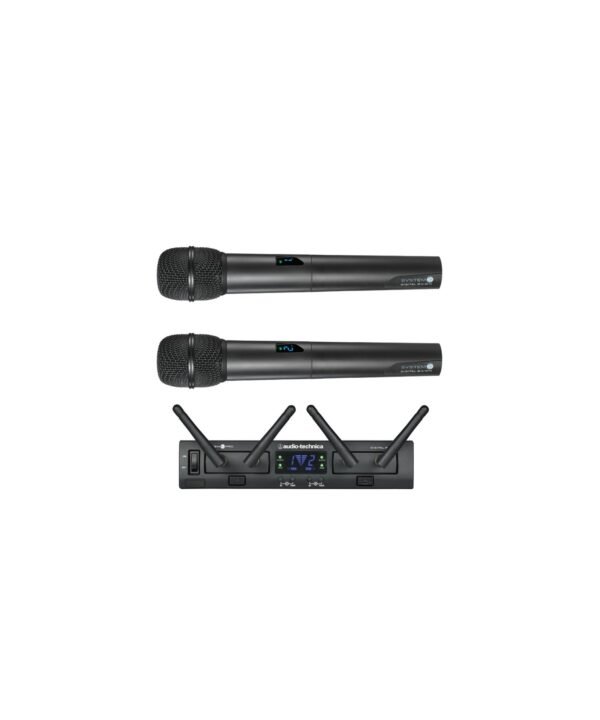
ATW-1322 AUDIO-TECHNICA
$4.580.000 -

MC012XX- 10M PRO DJ
$55.000 -

ATH-M20xBT AUDIO TECHNICA
$490.000 -

AD-4UX PRO DJ
$450.000