Copyright © 2023 Audio Music. Todos los derechos reservados. Creado por Clickfive Agencia Digital.

Talaria Ebike Built for Off Road Adventure and Daily Commutes
The Talaria eBike represents a sophisticated fusion of off-road performance engineering and sleek urban mobility, designed for riders who demand versatility without compromise. Featuring a robust electric powertrain and industry-leading torque, it conquers challenging trails and city streets with equal authority and precision.
Unleashing Off-Road Potential: The All-Terrain Appeal
The first time the pavement ended, the world didn’t stop—it opened. With a low growl from the engine, knobby tires bit into loose gravel, and the hum of asphalt gave way to a raw song of earth and rock. This is the all-terrain appeal: a vehicle that sheds the limits of the road, transforming every muddy track or sun-baked dune into a path of discovery. Unleashing off-road potential isn’t just about torque and clearance; it’s the freedom to chase a sunset over a ridge no map knows, feeling the chassis flex beneath you as the climb steepens. For those who venture beyond the last street sign, the trail isn’t an obstacle—it’s an invitation to conquer the wild, one rut, root, and rock at a time. Adventure isn’t waiting at the destination; it’s written in the dust behind you.
Why Riders Choose Electric Dirt Bikes for Trail Dominance
For drivers craving adventure beyond the pavement, all-terrain capabilities transform a standard vehicle into a true explorer. The appeal lies in conquering mud, rocks, and sand without sacrificing comfort. Modern systems blend smart traction control with rugged tires, letting you tackle steep hills or loose gravel with confidence. Key features that make this possible include:
- Advanced four-wheel-drive systems for instant torque distribution
- Wireless tire pressure monitors for adjusting grip on the fly
- Underbody skid plates to protect vital components
No more worrying about a washed-out trail or a sudden downpour turning dirt to soup. It’s about freedom—knowing your ride is ready for whatever the landscape throws at it, from a weekend campsite to a backcountry shortcut. That’s the real magic of off-road readiness.

Suspension Systems and Ground Clearance That Define Capability
Unleashing off-road potential requires the right tire strategy, as terrain-specific traction is the foundation of all-terrain appeal. Prioritize tires with deep tread lugs, reinforced sidewalls, and aggressive rubber compounds to handle mud, rock, and sand without compromise. Consider these critical upgrades for genuine trail capability: all-terrain tire selection tailored to your primary environment—choose between mud-terrain for deep muck or all-terrain for balanced on/off-road performance. Pair them with appropriate wheel offset and adequate ground clearance from a suspension lift. Real off-road dominance also demands skid plates for underbody protection and recovery points for self-extraction. Master throttle modulation and line choice on loose surfaces to prevent wheel spin and maintain momentum. With the correct gear and technique, your vehicle transforms from road-bound to barrier-breaking.
Comparing Wet and Dry Weight Performance Across Terrain
The all-terrain vehicle transforms a drive into a conquest, breaking the tether of paved roads to explore rugged wilderness with unyielding confidence. True off-road capability demands more than ground clearance; it requires a sophisticated dance of advanced traction control, aggressive tread patterns, and reinforced suspension systems that shrug off boulders and mud. This engineering ensures that every obstacle—whether a steep incline, deep rut, or loose gravel—becomes a benchmark for performance.

Your vehicle shouldn’t just navigate the trail; it should master it, turning impossible terrain into a playground for ambition.
To achieve this mastery, focus on these essential elements:
- Durable chassis to absorb punishing impacts.
- Locking differentials for maximum wheel grip.
- All-terrain tires with deep, self-cleaning lugs.
Equipped with these, you do not merely travel; you unlock landscapes previously reserved for machines and dreams, proving that the limit is not the road, but your nerve.
Power Delivery and Motor Dynamics: What Sets It Apart
Power Delivery and Motor Dynamics sets itself apart through a meticulously engineered balance of instantaneous torque response and sustained high-speed performance, a feat most systems fail to achieve. Unlike standard drivetrains that suffer from lag or efficiency loss, this integrated approach ensures that real-time power optimization adapts to every change in load and rotational speed without delay. The core difference lies in the proprietary control algorithm, which dynamically adjusts phase currents to eliminate energy waste and heat buildup. This results in a driving experience where acceleration is both brutal and silky smooth—a harmony that makes superior motor dynamics the definitive standard for demanding applications. Rival technologies simply cannot match the precision of this closed-loop feedback system, making it the only choice for true performance enthusiasts.
Torque Curves and Acceleration at Different Speeds
Deep within the drivetrain, power delivery isn’t just about raw force—it’s a conversation between electricity and momentum. A motor’s dynamics dictate how that conversation unfolds, from a whisper-smooth start to a surge of torque that pins you to the seat. What sets it apart is its nearly instantaneous response, bypassing the lag of combustion to deliver peak twist immediately from a standstill. This creates a unique feedback loop: instant torque response allows the controller to adjust power thousands of times per second, adapting the motor’s magnetic field to road conditions in real-time. Suddenly, acceleration feels less like a demand and more like an extension of thought itself.
Battery Capacity Influencing Ride Duration and Endurance
Power Delivery in motor dynamics is defined not by raw energy output, but by the precision of controlled torque across a variable speed range. Unlike standard systems that struggle with thermal lag or voltage sag, advanced motor drives maintain peak efficiency during transient loads. This is achieved through closed-loop field-oriented control, which instantaneously adjusts current vectors to match mechanical demand, eliminating slip and cogging.
The true differentiator is the ability to deliver peak torque from zero RPM—a feat that separates industrial-class drives from consumer-grade alternatives.
Key performance advantages include:
– Regenerative braking that recaptures kinetic energy without mechanical wear.
– Dynamic load sharing that prevents motor stall during sudden torque spikes.
– Thermal flux management that sustains high power density without derating.
Regenerative Braking and Its Impact on Range
Power delivery and motor dynamics define the visceral connection between a vehicle and its driver, setting apart high-performance machines through instantaneous torque response and predictive control. Unlike standard drivetrains, advanced systems prioritize how energy flows from the battery or engine to the wheels, optimizing traction and stability in real time. Key differentiators include:
- Instant torque: Electric motors deliver peak force from zero RPM, eliminating lag common in combustion engines.
- Regenerative damping: Systems harvest braking energy while adjusting motor resistance for smoother deceleration.
- Vectoring control: Independent wheel torque modulation sharpens cornering without reducing speed.
These dynamics reduce power loss, enhance safety, and produce a seamless acceleration curve. Whether in EVs or hybrid sports cars, precise motor tuning transforms raw energy into intuitive motion, creating a responsive, engaging ride that adapts to every input without hesitation. The result is a fusion of efficiency and thrill that standard setups cannot replicate.
Frame Geometry and Rider Ergonomics
Frame geometry is the blueprint of a bicycle’s soul, dictating how it handles, accelerates, and fits your body. The subtle interplay of angles—from head tube to seat tube—determines whether you carve descents like a pro or cruise for hours in comfort. For instance, a slack head angle and longer wheelbase boost stability at speed, while a steeper seat tube positions you over the pedals for explosive power. This is where **rider ergonomics** becomes critical: the wrong stack-and-reach ratio forces your neck, shoulders, and knees into strain. A perfectly tuned geometry aligns your hips and spine, reducing fatigue and maximizing efficiency. Dynamic? A racer’s aggressive forward lean demands a low handlebar drop, while a touring bike’s upright posture spares your back. Got tight hamstrings? A shorter top tube, paired with a setback seatpost, can transform a painful ride into a fluid, joyful dance with the road. Proper fit isn’t a luxury—it’s the difference between suffering and flying.
Q: Can I fix a poor frame geometry just by adjusting the saddle?
A: Rarely. Saddle height and fore-aft tweaks help, but major reach or stack issues—like a frame too long or short—demand a different size. Geometry is foundational; adjustments are fine-tuning, not a cure-all.
Seat Height Adjustments for Varied Statues
Proper frame geometry is the foundation of rider ergonomics and injury prevention. The relationship between top tube length, seat tube angle, and reach determines your cockpit space. A frame too long forces excessive spinal flexion, while a short frame can cause knee pain from an overly acute hip angle. Stack height influences handlebar drop; a low stack may strain the lower back, whereas a tall stack can hinder aerodynamics. For endurance, prioritize a slacker seat angle (72-73°) and shorter reach. For performance, a steeper angle (74-76°) shifts weight forward. Always match your inseam to standover height for safety.
The most aerodynamic position is useless if you cannot hold it without pain.
- Reach: Adjust stem length (±10mm) if torso angle feels strained or too upright.
- Saddle setback: Position your knee directly over the pedal spindle at 3 o’clock to avoid patellar stress.
- Stack ratio: Aim for a stack-to-reach ratio above 1.45 for all-day comfort, below 1.4 for aggressive riding.
Handlebar Positioning and Control in Technical Sections
Frame geometry dictates rider ergonomics by governing the relationship between reach, stack, and saddle position. A longer top tube and lower stack create an aggressive, aerodynamic posture ideal for speed, while a shorter, taller frame prioritizes comfort and upright handling. The head tube angle and wheelbase further influence stability versus agility; slacker angles provide descending confidence, whereas steeper angles sharpen steering. Optimized geometry ensures power transfer by aligning the hips and knees over the pedals, reducing strain on the lower back and shoulders. For competitive cyclists, precise fit is non-negotiable for sustained performance and injury prevention. Whether choosing endurance or race geometry, every measurement directly impacts control, efficiency, and ride quality.
Footpeg Placement for Standing or Seated Maneuvers
Frame geometry directly dictates rider ergonomics, determining your power transfer, comfort, and handling. A longer top tube and lower stack create an aggressive, aerodynamic position ideal for racing but can strain the lower back and neck. Conversely, a shorter reach and taller head tube prioritize an upright, relaxed posture for endurance and touring. Key angles like the seat tube affect pedaling efficiency, while chainstay length impacts stability. For a proper fit, consider these factors:
- Reach: Horizontal distance from bottom bracket to head tube; longer for speed, shorter for comfort.
- Stack: Vertical height; higher for upright riding, lower for aerodynamics.
- Seat Tube Angle: Steeper angles (73-74°) optimize pedaling; slacker (70-72°) shifts weight back for stability.
Prioritize a frame that matches your flexibility and riding goals to prevent fatigue and maximize control.
Maintenance and Durability in Harsh Conditions
When your gear faces mud, salt spray, or freezing temps, harsh condition durability isn’t a luxury—it’s a necessity. Regular maintenance means quickly rinsing off corrosive grime, checking seals, and re-lubricating moving parts before they seize. Skipping this step can turn a reliable tool into a rusted paperweight.
In extreme environments, a five-minute cleanup after every use saves you hours of expensive repairs later.
Protective coatings and stainless components help, but they’re only effective if you stay on top of small cracks or worn gaskets. Ultimately, the gear that lasts isn’t always the toughest out of the box—it’s the one whose owner treats it with simple, consistent care. That routine is what makes maintenance for harsh conditions truly pay off over the long haul.
Chain vs. Belt Drive Tradeoffs for Longevity
Maintenance and durability in harsh conditions demand rugged designs that resist corrosion, extreme temperatures, and particulate ingress. Equipment built for deserts, arctic zones, or marine environments relies on sealed bearings, hardened alloys, and redundant lubrication systems. Ruggedized industrial components withstand thermal shock and vibration through strategic material selection, such as using stainless steel for saltwater resistance and ceramic coatings for thermal barriers. Key durability features include:
- IP66+ enclosures blocking dust and high-pressure water jets
- Self-lubricating bushings reducing wear in dirty environments
- Conformal coatings on electronics preventing moisture shorting
Proactive maintenance—like load-based greasing schedules and infrared thermography—cuts unplanned downtime by 40%.
Q: How often should hydraulic systems in mining be inspected?
A: Every 250 operating hours minimum, with fluid analysis every 500 hours to detect particulate contamination early.
Waterproofing and Dust Resistance in Wet Environments
In extreme environments, equipment reliability depends on rigorous maintenance protocols and material resilience. Salt spray, thermal cycling, and abrasive particulates accelerate degradation, necessitating protective coatings and sealed housings to prevent corrosion and contamination. Ruggedized components for industrial equipment must withstand repeated thermal shocks and mechanical stress. Key durability features include stainless steel fasteners, conformal-coated circuit boards, and reinforced gaskets that resist humidity and vibration. Regular inspection schedules focus on wear-prone seals and lubricant integrity, as failure in these areas often leads to system downtime. For critical machinery, predictive maintenance using vibration analysis and oil sampling extends service intervals.
Preventative maintenance in harsh conditions reduces failure rates by up to 40% compared to reactive servicing.
Common failure points and typical countermeasures:
- Corrosion – Use galvanized or anodized surfaces
- Thermal shock – Employ ceramic or silicon carbide seals
- Abrasive ingress – Install labyrinth seals and positive air pressure
Common Wear Points and Replacement Schedules
Critical heavy-duty equipment must demonstrate exceptional endurance in extreme environments, where dust, moisture, and temperature swings accelerate wear. Ruggedized components with corrosion-resistant coatings are essential to prevent failure in mining, marine, or desert operations. Routine inspections should focus on sealing integrity and lubricant contamination, as even minor breaches can lead to catastrophic breakdown. Proactive maintenance schedules directly reduce downtime by up to 40% in these conditions. Key durability features include:
- Sealed bearings and IP67-rated housings
- High-grade stainless steel fasteners
- Thermal management systems for extreme heat or cold
Investing in these design principles ensures operational reliability when failure is not an option.
Customization Paths for Performance and Style
When it comes to making your ride truly yours, the customization paths for performance and style offer a ton of rad choices. You can start by tweaking the engine with a cold air intake or a tune, which ups horsepower and gives a meaner growl. Or, focus on style with wider wheels, a lowered suspension, and a custom wrap. Seriously, a simple lip kit can change the whole vibe of your car. For that best car modifications look, consider pairing a cat-back exhaust with smoked taillights. Ultimately, it’s about blending speed and aesthetics to reflect your personality, making every drive feel personal and unique, especially when you shop for custom car parts that fit your build perfectly.
Aftermarket Tires for Sand, Mud, or Rock Crawling
Customizing your ride for performance and style is all about balancing power with personality. Upgrading engine components like cold air intakes and tuners can unlock serious horsepower, while aesthetic tweaks make your car truly yours. Here’s a quick look at common paths:
- Performance: Add a turbo or exhaust system for better acceleration and sound.
- Style: Swap wheels, lower the suspension, or install LED lighting for a custom look.
- Hybrid: Carbon fiber accents reduce weight and look sleek.
Q: Can I improve performance without hurting my daily drivability?
A: Yes—focus on reliable mods like upgraded brakes and suspension tuning. Avoid aggressive camshafts if you commute.
Upgrading Controllers for Higher Top Speeds
Under the hood, the real art of a build lies in choosing between raw torque and sleek poise. A tuner might swap in a lightweight carbon fiber hood to shave precious pounds, while another driver installs a cold-air intake and a tuned ECU to chase every last horsepower. Custom performance tuning unlocks a vehicle’s hidden potential, transforming a daily driver into a personal statement. The choice is a story of priorities: do you crave the growl of a freer used talaria x3 exhaust, or the silence of a refined suspension? Each bolt tightened and part selected writes a chapter in your machine’s identity.
Lighting Kits and Graphics for Personal Expression
For peak performance, start with aero-optimized wheel and tire combos that reduce unsprung mass and rolling resistance. Swap the intake and exhaust system for a cold-air intake and a cat-back setup, which can unlock 10-15 horsepower while deepening the engine note. Prioritize a tune—either ECU flash or piggyback—to remap fuel and timing curves. For style, consider these visual upgrades:
- Carbon fiber splitter and rear diffuser (functional downforce)
- Lowering springs or coilovers (aggressive stance + improved handling)
- Smoked taillights and tinted windows (stealth look)
Legal Considerations and Riding Zones
Legal considerations for e-scooter operation vary significantly by jurisdiction, including age requirements, helmet mandates, and motor power limits. Riders must check local traffic laws, as most regions prohibit use on highways or sidewalks while mandating bike lanes. Designated riding zones are often geofenced through apps, automatically reducing speed or disabling scooters in restricted areas like pedestrian plazas or school zones. Ignoring these boundaries can result in fines or account suspension. Compliance with local e-scooter regulations is essential for safety and legality. Even in permissive areas, operating under the influence of alcohol or drugs remains illegal. Riders should also understand liability insurance policies, as personal injury or property damage may not be covered by standard plans. Staying informed about local riding zones and municipal ordinances helps prevent legal issues and ensures responsible use.
Classifying This Vehicle Under Local Off-Road Laws
Understanding legal riding zones is critical before operating any e-bike or off-road vehicle. Laws vary widely; many jurisdictions classify e-bikes into distinct classes—typically Class 1 (pedal-assist, max 20 mph), Class 2 (throttle, max 20 mph), and Class 3 (pedal-assist, max 28 mph)—each with specific access rules. For instance, Class 3 bikes are often prohibited on multi-use trails. Always verify local ordinances, as riding on private land without explicit permission constitutes trespassing. For off-road motorcycles or ATVs, designated riding areas like state parks or OHV (Off-Highway Vehicle) zones require registration, insurance, and a valid driver’s license. Ignoring these boundaries risks fines, impoundment, or liability for damages. A quick check with your local parks department or motor vehicle agency ensures compliance and safe, legal riding.
Noise Regulations and Electric Motor Compliance
Navigating legal off-road riding areas is non-negotiable for every rider. Most nations strictly classify vehicle use, meaning any desert trail, forest path, or public park requires explicit permission. Riding on private land without written consent risks trespassing charges and vehicle impoundment. Key legal factors include:
– Designated OHV parks: Only legal for street-legal or plated bikes.
– Wilderness areas: Typically closed to all motorized vehicles.
– Seasonal closures: Fire or wildlife protection zones lock down suddenly.
Always verify your bike’s registration, insurance, and spark arrestor compliance. Fines for violations often exceed $500, plus potential liability for wildfire damage. Stick to marked routes and consult local Bureau of Land Management (BLM) maps before riding. Ignorance is never a valid defense, and reckless trespassing destroys public access for the entire community.
Trail Access Permits and Private Land Etiquette
Riders must adhere to specific legal considerations and designated riding zones to ensure safety and compliance. Off-road riding regulations vary by jurisdiction, often requiring permits for public trails and mandating safety gear like helmets. Prohibited areas typically include ecologically sensitive zones, private property without permission, and designated pedestrian paths. Key compliance points include:
- Always verify land ownership and obtain written access where required.
- Follow posted speed limits and noise restrictions to minimize environmental impact.
- Check local laws for age restrictions and vehicle registration requirements.
Unauthorized riding can result in fines, vehicle impoundment, or legal liability. Riders should research current maps and closures before each trip.
Cost of Ownership Over Time
The true measure of any major purchase isn’t the sticker price, but the long-term value buried in its ownership cycle. Every acquisition initiates a financial ripple effect, where maintenance, energy consumption, repairs, and eventual depreciation compound over years. A cheaper upfront cost often masks staggering fuel bills and frequent part replacements, turning a «bargain» into a silent budget drain. Conversely, a higher initial investment in durable, efficient technology typically lowers total cost of ownership, saving thousands that can be redirected to growth. Smart owners focus on life-cycle budgets, not impulse buys. They recognize that predictable operating expenses are the true currency of financial freedom. Ultimately, the question isn’t «How much does it cost to buy?» but «How much does it cost to keep?»—a distinction that separates strategic investors from perpetual spenders.
Purchase Price Versus Comparable Gas Models
The true cost of ownership extends far beyond the initial price tag, unfolding through maintenance, energy, and eventual replacement. Total cost of ownership (TCO) reveals the long-term financial commitment of any asset, from cars to appliances. For example, a budget vehicle may demand higher fuel and repair costs over five years, while an efficient model saves money despite a higher upfront price. Smart buyers evaluate these recurring expenses, not just the sticker shock. Key factors include depreciation, insurance, taxes, and parts availability.
- Maintenance frequency and parts cost
- Energy or fuel efficiency ratings
- Resale value after three to five years
Ignoring TCO can lead to unexpected budget strain; a thorough analysis ensures your investment performs financially over its entire lifecycle.
Charging Costs and Electricity Consumption Rates
When you buy a car, the sticker price is just the beginning. The true cost of ownership over time includes everything from fuel and insurance to unexpected breakdowns and depreciating value. A vehicle that seems cheap upfront might drain your wallet with high repair bills or poor gas mileage. For example, luxury models often lose value fast, while reliable used cars can save you thousands in the long run. Key factors to watch: maintenance schedules (tires, oil changes), loan interest, and registration fees. Don’t forget that parking and tolls add up, too. Always calculate at least three years of expenses before signing—the real price tag is the sum of every monthly hit, not just the first payment.
Resale Value and Market Demand for Electric Models
The true cost of ownership over time often exceeds the initial purchase price, making long-term value assessment critical for informed financial decisions. For example, a budget vehicle may save money upfront but incur higher fuel, maintenance, and insurance costs compared to a more efficient model. A clear breakdown helps:
- Depreciation: Lost value each year; luxury brands often drop faster.
- Maintenance & Repairs: Older equipment requires more frequent servicing.
- Operating Costs: Energy consumption, supplies, and subscription fees.
- Financing & Insurance: Interest rates and premiums shift with asset age.
Q: How often should I recalculate total cost of ownership?
A: Annually, or after any major repair or ownership change, to adjust your budget or replacement timeline.
-

Launchkey Mini Mk3 NOVATION
$720.000 -
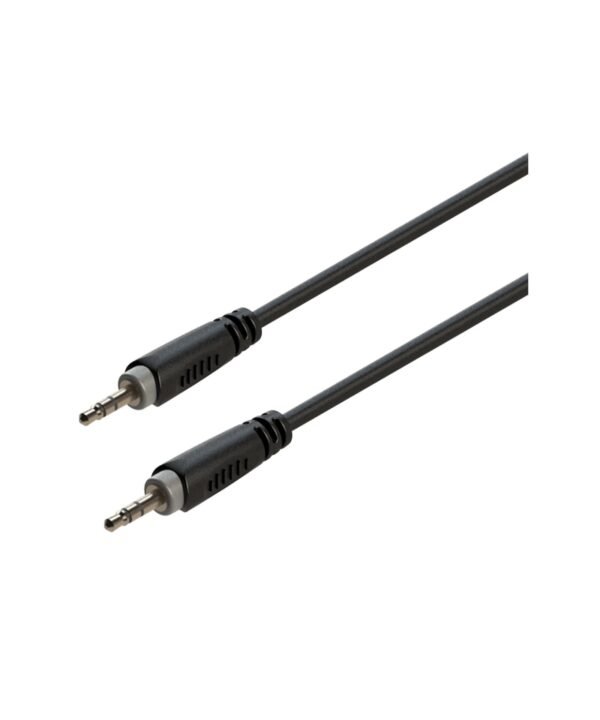
RACC240L10 ROXTONE
$39.000 -

HP2 - PRO DJ
$60.000 -
RACC240L5 ROXTONE
$25.000