Copyright © 2023 Audio Music. Todos los derechos reservados. Creado por Clickfive Agencia Digital.

Find Your Luck at the Best Online Casino Games Right Now
Welcome to the exciting world of online casinos, where top-tier games and big wins are just a click away. Whether you’re a seasoned player or a curious newcomer, you’ll find a safe and thrilling environment to explore your favorite slots and table games. Join millions of happy players and discover the fun of playing from the comfort of your home today.
Choosing Your Ideal Digital Gambling Platform
Selecting your ideal digital gambling platform demands a strategic approach, focusing on **licensed and regulated operators** that prioritize player safety. Look for a site offering a dynamic blend of quality, from immersive live dealer games to high-volatility slots, paired with swift, transparent payouts. A robust mobile interface and diverse bonus structures often separate top-tier experiences from the rest. Crucially, prioritize platforms utilizing advanced encryption protocols to safeguard your transactions and personal data. By balancing entertainment value with verified security measures, you craft a thrilling yet responsible journey that aligns perfectly with your gameplay style.
Licensing Bodies and What They Mean for Player Safety
He stumbled into the world of digital gaming, overwhelmed by flashy banners and impossible promises. Finding a safe haven required more than luck—it demanded a sharp eye for secure gaming platform selection. He learned to ignore the noise and focus on the pillars of a trustworthy site: licensing credentials, clear terms, and dependable payout histories. Only then did the spinning reels feel less like a gamble and more like proper entertainment.
Game Variety: From Slots to Live Dealers
Selecting a reliable digital gambling platform requires evaluating several critical factors to ensure safety and fairness. Prioritize licensed and regulated operators verified by reputable authorities like the UKGC or MGA. Review the software providers powering the games, as top-tier developers guarantee random outcomes and smooth performance. Payment options should include secure methods with reasonable withdrawal times, and customer support must be accessible 24/7. *Always read the platform’s terms regarding wagering requirements before claiming any bonus.*
Payment Methods That Prioritize Speed and Security
When Leo first dipped into online slots, he lost track quickly among hundreds of flashy sites. To avoid his mistake, start by checking licensing and security — a platform without clear credentials is a gamble in itself. Look for varied payment methods that suit your region, from e-wallets to crypto. Prioritize platform security and verified licensing to protect your funds and data. He now tests game providers: top names like NetEnt or Microgaming signal quality. Reading terms on bonuses prevented his second pitfall — hidden wagering requirements.
The right platform feels like a trusted casino floor: transparent, responsive, and built for your playstyle, not just profit.
Maximizing Bonuses and Promotions Strategically
To truly unlock the value of any gambling platform, you must approach bonuses and promotions not as mere gifts, but as tactical opportunities. Strategic play involves meticulously reading wagering requirements to distinguish genuine value from flashy traps. Focus on high-value welcome packages that offer extra playtime without unrealistic turnover demands. Leverage reload bonuses and cashback offers to extend your bankroll during cold streaks, while always prioritizing games with low house edges to meet playthrough conditions efficiently. By timing your deposits around exclusive events and avoiding haphazard claiming, you transform these incentives into a powerful engine for growth. This calculated method ensures every perk serves your long-term strategy, not just a fleeting thrill. Master this discipline, and you turn the system’s own rewards into sustained player advantage.

Welcome Offers: Matching Deposits and Free Spins Explained
To maximize bonuses and promotions strategically, treat them as tools for long-term profit, not short-term thrills. Focus on high-value welcome offers with low wagering requirements. Prioritize bonuses that align with your usual spending habits, such as cashback on groceries or deposit matches on subscriptions.
- Always read the fine print for expiration dates and game restrictions.
- Never chase losses by placing larger bets to meet playthrough conditions.
- Time your use of stacked offers—combine a deposit bonus with a loyalty reward for maximum value extraction.
This disciplined approach ensures every promotion compounds your bankroll rather than draining it.
Loyalty Programs and VIP Tiers for Regular Players
To truly maximize value, strategic bonus hunting requires disciplined planning, not random opt-ins. Focus on high-value offers tied to your regular spending habits, such as deposit matches or cashback on recurring bills. Always read the fine print: identify wagering requirements, expiration dates, and game restrictions to avoid traps. Build a calendar around staggered promotions—never chase every deal. Prioritize tiered loyalty programs that reward cumulative play rather than one-off bursts.
- Target welcome bonuses with the lowest rollover.
- Use free spins only on high-RTP slots.
- Combine reload bonuses with low-commission events.
By rejecting low-margin offers and leveraging exclusives, you convert promotions into genuine profit, not mere gimmicks.
Wagering Requirements and How to Spot Favorable Terms
Sarah didn’t just chase every bonus she saw; she waited. By timing her deposits to align with reload offers and loyalty rewards, she turned a modest bankroll into a sustained advantage. Strategic bonus harvesting requires patience and a clear head. She always read the fine print first, focusing on wagering requirements and game restrictions. Her approach was simple:
- Match bonuses to high-RTP slots to clear conditions faster.
- Prioritize low-wagering offers over flashy, restrictive ones.
- Set loss limits even with free credits, avoiding reckless bets.
This discipline turned fleeting promotions into a consistent edge—proof that smart timing wins over impulsive clicks.
Mobile Gaming Experience: Playing on the Go
For the modern gamer, the mobile gaming experience has evolved far beyond simple time-killers, becoming a genuine powerhouse of interactive entertainment. The key to mastering play on the go lies in leveraging your device’s strengths. Modern smartphones now deliver console-quality visuals and complex narratives, allowing you to dive into deep RPGs or competitive shooters during a commute. To truly optimize performance, always close background apps to prevent lag and invest in a quality phone cooler for extended sessions. Choosing a reliable controller attachment transforms touch controls, offering precision that elevates your competitive edge. For seamless enjoyment, prioritize games with robust offline modes, ensuring your mobile gaming experience remains uninterrupted on flights or in areas with poor signal. By pairing smart hardware choices with curated game selections, you turn every spare moment into a premium gaming window.
Optimized Apps Versus Instant Browser Play
Playing games on mobile devices hinges on mastering sessions that fit into real-world gaps. To optimize your mobile gaming experience, focus on hardware and connection reliability. A quality phone with a high refresh rate screen and low input lag is non-negotiable for competitive play. Managing battery life is critical; dim your screen, close background apps, and disable unnecessary notifications. For online games, a stable 5GHz Wi-Fi or strong cellular signal prevents lag spikes. Always download updates over Wi-Fi to avoid data caps. Finally, prioritize ergonomics: a thin case and a comfortable grip reduce fatigue during longer commutes or wait times. The core advantage of mobile gaming convenience is accessibility, so customize your controls and settings for each game genre.
Touchscreen Controls and User Interface Design
Mobile gaming has completely changed how we sneak in playtime, turning a coffee break or a commute into an epic adventure. The best part? You can jump into a quick round of “Candy Crush” or dive deep into a strategy game without being tied to a console. Portable entertainment is the real winner here, letting you pick up and pause your progress anywhere. To keep things smooth on the go, you need to consider a few basics:
- Battery life: Nothing kills a streak faster than a low battery warning.
- Data usage: Some games gobble up your mobile plan, so watch your limits.
- Touch controls: Responsive taps make or break your reflexes in fast-paced titles.
With solid hardware and smart habits, your phone becomes a pocket-sized power station for fun, ready whenever you are.
Cross-Device Compatibility and Account Syncing
The modern mobile gaming experience redefines convenience, placing console-quality thrills directly in your palm. On-the-go gameplay is no longer a compromise; it’s a revolution in interactive entertainment. Daily commutes, coffee breaks, or waiting in line transform into vibrant adventures thanks to powerful processors and sharp OLED displays. Touch controls have evolved to be remarkably intuitive, while cloud gaming eliminates storage limits, letting you dive into massive open worlds instantly. The result is a seamless, high-stakes session anywhere, anytime.
No other platform delivers such immediate, frictionless access to deep, engaging worlds without tying you to a desk.
To make the most of mobile play, focus on these key advantages:
- Instant Accessibility: No boot-up time; tap and play.
- Adaptive Input: Gyroscopic controls and haptic feedback rival dedicated hardware.
- Uninterrupted Flow: Intelligent save states let you pause and New York Casino resume without penalty.
Your phone is not just a device—it is your ultimate portable arcade, delivering precision and immersion wherever you carry it. This is gaming unbounded by location, optimized for life in motion.
Navigating Payment Options for Deposit and Withdrawal
When managing your online funds, you’ll find that navigating payment options for deposit and withdrawal can feel like a maze, but it’s simpler once you know the ropes. Choosing the right method often depends on speed, fees, and security—bank transfers are reliable but slow, while e-wallets like PayPal or Skrill process instantly. Cryptocurrencies offer anonymity but require a learning curve. Always double-check minimum limits and processing times before confirming a transaction. Credit cards are convenient but may trigger extra charges from your bank. For withdrawals, prioritize platforms known for fast payout processing to avoid waiting days. Stick to methods you trust, and don’t skip reading the fine print on fees—your wallet will thank you.
E-Wallets, Cryptocurrency, and Credit Cards Compared
Choosing the right method for deposits and withdrawals depends on speed, fees, and accessibility. Credit and debit cards offer instant deposits but may incur cash advance fees for withdrawals; e-wallets like PayPal or Skrill provide fast transactions with moderate limits, while bank transfers are secure but often slower (1–5 business days). For cryptocurrency users, blockchain transactions bypass traditional banking but require managing wallet addresses. Always verify minimum/maximum limits and processing times.
Selecting a payment method should align with your transaction habits. Below is a comparison of common options:
| Method | Deposit Speed | Withdrawal Speed | Typical Fees |
|---|---|---|---|
| Credit/Debit Card | Instant | 2–5 days | Low or none |
| E-Wallet | Instant | Under 24 hours | Minimal |
| Bank Transfer | 1–2 days | 3–7 days | May apply |
| Cryptocurrency | Variable (minutes–hours) | Variable | Network fees |

Q: Are there hidden charges for using a specific deposit method?
A: Not always, but some e-wallets or banks charge conversion fees for foreign currencies. Always check the platform’s fee schedule before transacting.
Transaction Times and Hidden Fees to Watch For
Navigating deposit and withdrawal options requires understanding available methods, processing times, and potential fees. Understanding transaction processing times is crucial for effective financial management. Common methods include:
- Credit/Debit Cards – Instant deposits, withdrawals may take 3–5 business days.
- Bank Transfers – 1–3 business days for both directions, often with low fees.
- E-wallets – Near-instant processing for deposits and withdrawals, typically no extra cost.
- Cryptocurrency – Variable speeds based on network congestion, with no intermediary fees.
Always verify the platform’s minimum and maximum limits, as well as any currency conversion charges, before initiating a transaction.
Currency Support and Geo-Restrictions
Choosing the right payment method for deposits and withdrawals can make or break your gaming experience. Fast and secure transaction methods are essential for seamless gameplay. You need to consider processing speed, fees, and accessibility. For deposits, options like credit cards and e-wallets offer instant funding. When cashing out, prioritize methods with low fees and quick turnaround times.
- E-Wallets: Fast withdrawals, often within 24 hours.
- Bank Transfers: Reliable but typically take 3–5 days.
- Cryptocurrency: Decentralized and near-instant for both actions.
Always verify the platform supports your preferred method to avoid unnecessary delays. A streamlined payment flow keeps your focus on the game, not the process.
Game Selection That Keeps Players Engaged
In the quiet hum of a gaming rig, a veteran player knows the real secret isn’t skill—it’s rhythm. The smartest gamers treat their library like a diner menu, swapping between a pulse-pounding shooter after a stressful day and a sprawling RPG when they crave a long, slow burn. This art of game selection avoids burnout entirely, weaving highs and lows into a tapestry of sustained fun. By alternating genres, they keep every session feeling fresh, never letting the controller grow cold from boredom. It’s the difference between a quick, frantic chase and a deep, narrative dive, each choice a deliberate turn that ensures the spark of player engagement never dies, turning idle moments into gripping rituals.
High RTP Slots and Progressive Jackpots
Effective game selection for sustained engagement hinges on dynamic difficulty adjustment and diverse reward loops. Mastering player retention through strategic game variety is non-negotiable for any successful platform. By curating a library that alternates between high-octane action, deep strategic puzzles, and quick, social fillers, you prevent cognitive fatigue. This variety ensures every session feels fresh. Critical mechanics for this include:
- Skill-based matchmaking tailored to individual performance.
- Short, cascading reward cycles that provide constant dopamine hits.
- Rotating content that introduces novelty without overwhelming the user.
Players stay because they never predict the next challenge, yet always feel a path to mastery. This approach transforms casual play into a committed habit.
Table Game Variations: Blackjack, Roulette, and Baccarat
Smart game selection is the engine of sustained player engagement. Curating diverse gameplay loops prevents fatigue by alternating high-intensity action with strategic downtime. A successful framework balances challenge and reward, ensuring players never feel bored or overwhelmed:
- Variety in Mechanics: Switch between puzzle-solving, combat, and exploration to maintain cognitive novelty.
- Progressive Difficulty: Gradually increase stakes to create a flow state, where skill meets challenge.
- Replayability Elements: Include unlockable modes, secret objectives, or randomized rewards to encourage repeat sessions.
Q: How often should you rotate game types?
A: Every 15–20 minutes, or after a major failure or victory, to reset focus and avoid burnout.
Specialty Games: Bingo, Keno, and Virtual Sports
Mastering game selection that keeps players engaged is non-negotiable for sustained retention. The key lies in offering dynamic variety without overwhelming the user. A balanced library should rotate between high-octane challenges and calming exploration, ensuring every session feels fresh. For instance, a successful strategy includes:
- Progressive difficulty that scales with player skill, preventing boredom or frustration.
- Social integration, enabling cooperative or competitive modes that foster community.
- Reward loops—tied to short-term achievements and long-term goals—to trigger dopamine release.
Q&A: Q: How often should you rotate content? A: Weekly micro-updates with monthly major drops keep anticipation high without disrupting existing flows. Ultimately, this curated approach transforms casual play into an addictive habit loop, where players feel constantly challenged yet rewarded.
Live Dealer Experiences: Bridging the Gap to Reality
Live dealer experiences effectively bridge the gap between virtual and physical casino environments by streaming real human dealers, cards, and roulette wheels in real-time. This hybrid format combines the convenience of online play with the social interaction of a land-based venue, addressing common skepticism about digital randomness. The live casino technology relies on sophisticated optical cameras and dedicated studios to deliver seamless, trustworthy gameplay. Players can chat with dealers and fellow participants, replicating the communal atmosphere of a brick-and-mortar table. By offering a transparent, human-led alternative to algorithm-based games, these experiences elevate engagement and have become a cornerstone of modern iGaming, attracting users who value authenticity but prefer remote access.
Q&A
Q: What makes live dealer games more credible than RNG-based online games?
A: The presence of a human dealer and physical equipment provides visible, real-time action, reducing concerns about pre-programmed outcomes.
Studio Quality and Streaming Technology
Live dealer experiences revolutionize digital gaming by streaming real-time tables directly to your screen, effectively bridging the gap to reality. Authentic live casino action relies on professional croupiers, real cards, and physical roulette wheels, delivering the tactile thrill of a land-based venue without leaving home. High-definition cameras capture every shuffle and spin, while chat functions let you interact with dealers, fostering genuine social immersion. To maximize your session, ensure a stable internet connection and choose reputable operators with certified RNGs. This hybrid format demands you treat it like a real casino: set loss limits and avoid chasing wins.
Q: How does a live dealer compare to playing in a physical casino?
A: Live dealer offers 95% of the realism—you see the action in real-time—but you sacrifice the physical chip feel and ambient noise. It’s ideal for convenience but remains a digital experience. Always verify the game’s return-to-player (RTP) rate, as it often matches land-based tables.
Interaction Options with Dealers and Other Players
Live dealer experiences deliver the authentic casino atmosphere directly to your screen, using real-time HD streaming to connect you with professional croupiers. Unlike purely digital games, this format creates genuine human interaction, where you can chat and watch every card shuffle or roulette spin unfold naturally. Immersive live casino gameplay removes the gap between virtual and physical tables, offering transparency and trust.
The thrill of a brick-and-mortar floor, now at your fingertips—without the commute.
Strategic benefits include eliminating algorithm skepticism and replicating social dynamics. For players seeking credibility and engagement, this is the definitive evolution of online gambling. It isn’t just a simulation; it’s as close to reality as technology allows.
Popular Live Game Shows and Their Unique Rules
Live dealer experiences are the closest you can get to a real casino floor without leaving your couch. By streaming a professional human dealer in real-time, they eliminate the robotic feel of standard online games, letting you chat, place chips, and watch the action unfold naturally. This setup directly answers the need for authenticity in digital gambling, making it a true bridge to reality for online casino players. The key elements are straightforward:
- Real-time interaction: You can talk to the dealer and other players via live chat.
- Physical equipment: Actual cards, roulette wheels, and dice are used, not random number generators.
- Professional setting: Games run from a dedicated studio or a real casino floor.
For anyone who misses the social buzz and visual trust of a brick-and-mortar venue, this is the next best thing—and often more convenient.
Responsible Gaming Tools and Player Protection
Responsible Gaming Tools are critical for maintaining player protection in digital gambling environments. Industry best practices mandate the integration of features like deposit limits, session timers, and self-exclusion options to help players maintain control. Implementing robust responsible gaming tools is not just ethical but also a regulatory necessity. Experts recommend that players proactively set personal boundaries before starting a session, using reality checks to monitor time and spend. Operators must also provide clear access to account history and cooling-off periods. Ultimately, sustained player protection relies on a safety-first culture where data-driven alerts flag risky behavior, ensuring the entertainment remains healthy and does not escalate into harm. Always treat these protective features as a fundamental part of your gaming strategy, not an afterthought.
Setting Deposit Limits and Self-Exclusion Features
Responsible gaming tools empower players to maintain control, such as setting deposit limits, loss caps, and session timers before play begins. Player protection is paramount for sustainable gaming. These mechanisms, combined with self-exclusion programs that ban access for set periods, prevent impulsive behavior. Operators also provide reality checks and cool-off periods to interrupt extended sessions.
- Deposit Limits: Set daily, weekly, or monthly maximums.
- Time Management: Receive alerts after 30, 60, or 90 minutes.
- Self-Exclusion: Block all accounts for months or years.
Q: Are these tools mandatory? A: Reputable platforms offer them by default; regulators increasingly require them. Use them proactively before play, not reactively after losses.
Reality Checks and Session Time Reminders
Responsible gaming tools are essential for maintaining player well-being in digital gambling environments. These mechanisms empower users through deposit limits, session timers, and self-exclusion options, which help prevent financial harm and addictive behaviors. Effective player protection systems integrate mandatory age verification, reality check reminders, and real-time spending alerts. Operators must also provide easy access to support organizations like GamCare or Gamblers Anonymous.
- Deposit caps: Set daily/weekly/monthly maximums
- Cool-off periods: Temporary account pauses (24h–6 weeks)
- Play history logs: Transparent tracking of time and money spent
Q: When should I use a self-exclusion tool?
A: Immediately if gambling affects your finances, relationships, or daily responsibilities—even occasionally. Most platforms offer 6-month to permanent bans.
Accessing Support for Problem Gambling
Modern platforms integrate responsible gaming tools to empower players and prevent harm. Core features include deposit limits, reality checks, and self-exclusion options, which allow users to set personal boundaries. These tools foster a safe environment by promoting transparency and control. Robust player protection also relies on:
- Age verification to block underage access.
- Activity monitoring that flags risky patterns.
- Time-out functions for cooling-off periods.
Security Measures That Safeguard Your Data
Robust data security hinges on a multi-layered defense, beginning with **encryption protocols** that scramble information both at rest and in transit. As an expert, I stress implementing zero-trust architectures, which verify every access request regardless of origin, coupled with multi-factor authentication to prevent unauthorized entry. Regular vulnerability audits and patches close critical gaps, while automated anomaly detection systems identify breaches in real-time. For businesses, enforcing strict role-based access controls ensures only necessary personnel handle sensitive files. Ultimately, your strongest safeguard is a culture of continuous security training, as human error remains the most exploited weakness. These measures collectively form an impenetrable shield for your digital assets.
Encryption Standards and Privacy Policies
In today’s digital landscape, robust security measures are non-negotiable. Your data is shielded by multi-layered defenses, starting with end-to-end encryption, which scrambles information so only authorized parties can read it. Firewalls act as gatekeepers, while multi-factor authentication adds a vital second layer beyond passwords, blocking 99.9% of automated attacks. Regular software updates patch vulnerabilities instantly, and zero-trust architecture ensures no user or device is trusted by default.
- Encryption protects data at rest and in transit.
- Biometric authentication uses unique physical traits like fingerprints.
- Real-time monitoring detects and neutralizes threats instantly.
These dynamic protocols create an active, evolving fortress around your most sensitive information, turning every access attempt into a verified and encrypted transaction.
Two-Factor Authentication and Account Verification
To safeguard your data, implement a zero-trust security framework, which never assumes implicit trust and continuously verifies every access request. This approach starts with multi-factor authentication (MFA) for all users, layered with endpoint detection and response (EDR) to monitor devices for anomalies, and strong encryption (AES-256) for data both at rest and in transit. Essential policies include:
- Enforce least-privilege access controls.
- Conduct regular, automated pen tests and vulnerability scans.
- Maintain air-gapped, versioned backups with a tested restore plan.
Neglecting routine patch management for software and firmware—a common oversight—creates exploitable gaps. Always couple technical controls with strict compliance audits and employee security training to build a truly resilient defense.
Auditing and Fairness Certification by Third Parties
Organizations deploy encryption as a foundational security measure, ensuring data remains unreadable during transmission and at rest. A multi-layered approach is critical: end-to-end data protection relies on combining robust encryption protocols with strict access controls. Key safeguards include:
- Multi-factor authentication to verify user identity beyond passwords.
- Regular security audits to identify vulnerabilities.
- Automatic backups to prevent permanent data loss.
Adopt a zero-trust model to minimize exposure from internal and external threats.
Customer Support Quality as a Key Differentiator
In an era of commoditized products and aggressive pricing, exceptional customer support quality emerges as the defining advantage that separates market leaders from the rest. A seamless, empathetic, and swift resolution process does not merely satisfy a complaint; it builds profound loyalty and transforms customers into vocal brand advocates. Outstanding customer support quality directly enhances retention rates, reduces churn, and elevates lifetime value in ways no marketing campaign can. By prioritizing clear communication and proactive problem-solving, companies turn every interaction into a powerful trust signal. This commitment to service excellence becomes the most compelling argument for choosing your brand over a cheaper competitor. Ultimately, when support is treated as a strategic asset rather than a cost center, it delivers the sustainable competitive advantage that fuels long-term growth and a bulletproof reputation. Consumers remember how you made them feel far longer than they remember the price they paid.
Live Chat Responsiveness and Email Support
In a saturated market, customer support quality emerges as a definitive key differentiator that builds unshakeable brand loyalty. While competitors compete on price or features, exceptional support creates an emotional connection that transcends transactional value. World-class customer support directly drives retention and lifetime value. The modern consumer demands more than a resolution; they expect empathy, speed, and precision. Brands that invest in rigorous training, AI-augmented tools, and 24/7 availability transform potential frustration into brand advocacy. When support feels effortless, customers forgive minor product flaws and actively promote the business. Conversely, a single poor interaction can undo months of marketing effort.
Your support team is your most powerful, underutilized marketing channel.
To execute this strategy effectively, companies must focus on:
- First-contact resolution rates above 85%
- Consistent, on-brand tone across all channels
- Proactive outreach before issues escalate
Ultimately, superior support isn’t a cost center—it’s the sharpest competitive weapon in your arsenal, turning reactive problem-solving into proactive relationship-building.
Self-Help Resources: FAQs and Knowledge Bases
In a saturated market, customer support quality is a non-negotiable brand differentiator. Companies that deliver fast, empathetic, and effective service transform simple interactions into powerful loyalty drivers. Support isn’t a cost center; it is a strategic asset that directly influences retention and word-of-mouth referrals. For instance, a single exceptional resolution can convert a frustrated user into a vocal advocate, while poor service guarantees churn. First-contact resolution often decides the outcome.
- Personalized, human-first responses build emotional equity.
- Consistent 24/7 availability across channels reduces friction.
- Proactive outreach prevents issues before they escalate.
Ultimately, when product features become commoditized, the quality of your support team remains the only sustainable competitive edge. Businesses that ignore this lose revenue; those that master it dominate their niche.
Multilingual Support and Availability Hours
In a world where products are often cloned overnight, the memory of a resolved problem lingers far longer than a feature list. A major software company once saw churn halve simply by retraining support agents to ask «What did you hope to achieve?» instead of reading a script. This shift transformed frustration into loyalty. Customer support quality as a key differentiator turns routine troubleshooting into a brand’s most human moment. When a customer calls, they are not just fixing an error; they are testing trust. A single, empathetic interaction can erase weeks of marketing noise, proving that the real product is the feeling of being heard.
Understanding the House Edge and Game Math
Understanding the house edge and game math is fundamental to grasping casino gambling mechanics. The house edge represents the mathematical percentage of each wager the casino expects to retain over time, derived directly from each game’s rules and payout structure. In games like roulette, this advantage is built into the wheel’s layout; for instance, the presence of a single or double zero ensures outcomes slightly favor the house. Over extended play, the house edge ensures predictable casino profitability, regardless of short-term player variance. In blackjack, optimal strategy can reduce this edge to less than one percent, while slot machines often feature edges exceeding five percent. Players cannot eliminate this mathematical advantage but can influence their expected losses by choosing games with lower edges and employing sound strategy, though chance remains the primary factor in any single session.
RNG Technology and How It Ensures Fair Play
Understanding the house edge in casino games is essential for grasping long-term profitability. This mathematical advantage, built into every game’s rules and payout structure, ensures the casino retains a fixed percentage of all wagers over time. For example, in European roulette, the single zero gives the house a 2.7% edge, meaning players statistically lose $2.70 per $100 bet. Game math also determines variance, which influences short-term win or loss streaks. Key elements include:
- Return to Player (RTP): The inverse of the house edge, expressed as a percentage of wagered money returned to players.
- True odds vs. payout odds: The gap between these two values creates the house advantage.
Knowing these fundamentals helps players set realistic expectations and manage bankrolls effectively.
Volatility Levels in Slot Games
Imagine sitting at a blackjack table, watching the dealer scoop up chips after a bust. That quiet rhythm isn’t luck—it’s game math in action. The house edge is the casino’s built-in statistical advantage, a tiny percentage that ensures profit over millions of hands. For example, in roulette, a single zero reduces your fair odds, making the casino advantage calculation the true heartbeat of every bet. This edge might be 0.5% in blackjack with perfect strategy or 5% on slot machines. Understanding this math transforms gambling from guesswork into a calculated risk.
The house edge doesn’t guarantee you’ll lose tonight—but it guarantees the casino wins over time.
Similarly, game math governs payout ratios, volatility, and return-to-player (RTP) percentages. A slot with 96% RTP means, mathematically, $96 returned per $100 wagered—though your own session can swing wildly. Mastering these numbers doesn’t beat the house, but it lets you choose games that stretch your bankroll longer. That’s the real story: the edge is always there, but knowledge lets you play smarter.
Bankroll Management Techniques for Sustained Play
In a dimly lit casino, a gambler doesn’t realize the deck is subtly stacked against them—not by cheating, but by mathematics. This invisible advantage, the house edge and game math, quietly erodes the player’s bankroll over time. In blackjack, a slight rule variation can shift the casino’s hold from a razor-thin 0.5% to a punishing 1.5%. The wheel in roulette spins with 38 pockets, yet pays as if there are only 36, hiding that 5.26% tax on every bet. Craps offers the simplest bet on the pass line with just a 1.41% house edge, but side bets like the «hardways» jack the advantage past 10%. Understanding these numbers is the only shield in a game designed to grind you down. Players who ignore the math are simply renting fun at a fee they never agreed to.
Regional Variations in Digital Wagering Laws
Across the globe, digital wagering laws fracture along wildly divergent lines, creating a chaotic patchwork for operators and users alike. In the United States, the Supreme Court’s 2018 reversal of PASPA ignited a state-by-state gold rush, with New Jersey and Pennsylvania embracing full-scale mobile betting while Utah and Hawaii maintain absolute prohibitions. Europe offers a contrasting mosaic: the United Kingdom operates a permissive, heavily regulated license model, whereas Germany’s recent Interstate Treaty caps monthly stakes and blocks live in-play bets online. Meanwhile, Asia presents stark polarization—Macau thrives as a gambling hub yet restricts online platforms, while Japan permits only state-run sports betting.
The most dynamic shift emerges in Africa, where emerging governments experiment with frameworks to capture tax revenue while battling addiction concerns.
This legal fragmentation forces platforms to deploy geo-fencing and localized compliance teams, creating a high-stakes environment where a single server location can determine a venture’s legality.
Legal Status Across Key Markets: US, UK, and Europe
Digital wagering laws are a total patchwork, changing wildly depending on where you click from. In the US, the 2018 PASPA repeal let states decide for themselves, so you can bet legally in New Jersey but not in Utah, creating a confusing map of legality. Europe is similarly split, with the UK having a tightly regulated market while other countries like Germany impose strict caps on stakes and deposits. Meanwhile, many Asian nations ban online casinos outright, though regions like Macau operate under special exemptions. Always double-check your local rules before placing a bet, as fines can be steep. This uneven landscape makes state-level licensing and enforcement a crucial factor for any gambler or operator. The key takeaway is simple: don’t assume what’s legal in your home country applies everywhere.
Tax Implications on Winnings by Jurisdiction
Digital wagering laws vary dramatically by region, creating a complex patchwork of compliance requirements. In the United States, federal law permits states to legalize online sports betting individually, resulting in over 30 active markets, while some states maintain outright bans. Across Europe, the United Kingdom operates under a centralized licensing system via the UK Gambling Commission, whereas nations like Germany enforce strict federal-state regulations limiting stake amounts and advertising. Asia presents a stark contrast: Macau permits extensive digital casinos under concession, but Japan and China prohibit most online gambling, with severe penalties. Cross-border jurisdictional conflicts often arise when operators serve users from restricted regions.
Always verify the specific licensing requirements for each target jurisdiction before deploying any digital wagering platform.
This patchwork demands that operators conduct rigorous due diligence to avoid penalties, with some regions requiring geo-blocking technology and real-time transaction monitoring.
Restricted Countries and Workarounds
Digital wagering laws are a patchwork mess around the world, varying wildly from one region to the next. In the U.S., the legal landscape is fragmented: each state decides its own fate, with New Jersey embracing sportsbooks and online casinos, while Utah outright bans all forms of gambling. Across the Atlantic, the UK has a centralized regulatory framework for internet betting that is strict but allows licensed operators to thrive. Meanwhile, Asia is a mixed bag; countries like the Philippines offer a regulated hub, but Japan heavily restricts casino-style wagering. Europe’s EU member states often clash over cross-border betting licenses, creating confusion for users. Always check local laws before placing a bet online—ignorance could cost you more than just money. Key distinctions include:
- Licensing models: From open markets (Malta) to state monopolies (Scandinavia)
- Tax rates on winnings: Some nations tax players directly; others tax the house only
- Allowed bet types: Fantasy sports and poker may be legal where sports betting isn’t
-
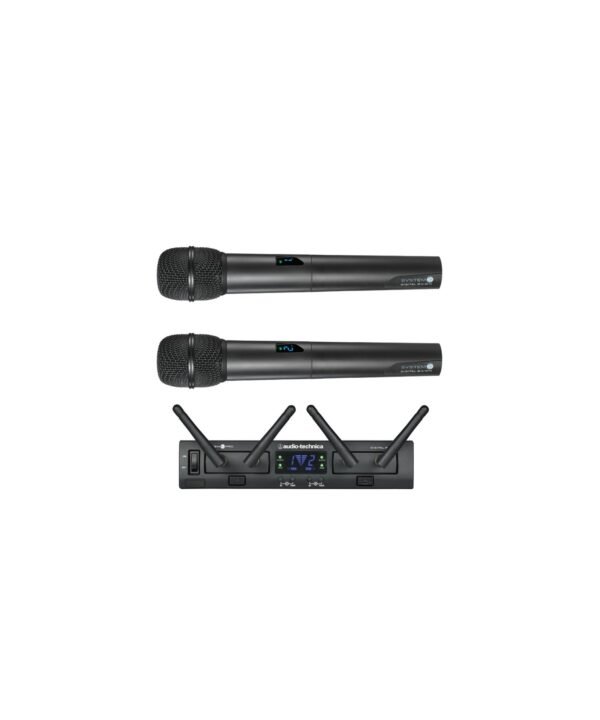
ATW-1322 AUDIO-TECHNICA
$4.580.000 -

MC012XX- 10M PRO DJ
$55.000 -

ATH-M20xBT AUDIO TECHNICA
$490.000 -

AD-4UX PRO DJ
$450.000