Copyright © 2023 Audio Music. Todos los derechos reservados. Creado por Clickfive Agencia Digital.

Discover the Best Online Casino Games for Real Money Wins

Welcome to the thrilling world of online casinos, where your favorite games are just a click away. Whether you’re chasing big jackpots or enjoying a casual spin, we make it easy to play from the comfort of home. Discover safe, exciting gameplay designed with you in mind.
Navigating the Digital Gambling Landscape
Navigating the digital gambling landscape requires a disciplined approach rooted in responsible gaming strategies. Experts advise treating online casinos and sportsbooks as entertainment, not income sources, by setting strict time and monetary limits before logging in. Prioritize platforms with verified licenses from reputable jurisdictions like the UKGC or MGA, as these enforce fairness and data protection. Avoid chasing losses, a common pitfall that erodes bankrolls, and use tools like deposit caps or self-exclusion features offered by legitimate sites. Always verify a site’s secure encryption protocols to safeguard financial transactions and personal information. Ultimately, maintaining a clear head and recognizing the house edge is crucial—gambling should never interfere with essential expenses or emotional well-being. Stay informed, remain cautious, and treat every session as a deliberate, budgeted activity.
Key Differences Between Virtual Casinos and Land-Based Venues
Navigating the digital gambling landscape demands sharp awareness, as endless virtual casinos and sportsbooks compete for your attention with flashy bonuses. Responsible bankroll management is your most vital tool, preventing impulsive losses amid the fast-paced thrill of live betting and slot spins. Today’s platforms use sophisticated algorithms and mobile apps, creating an immersive yet risky ecosystem. To stay in control, consider these non-negotiable steps:
- Set strict time and deposit limits before you start playing.
- Research a site’s licensing and encryption to avoid scams.
- Use self-exclusion tools if the chase becomes compulsive.
The real win isn’t just a payout—it’s walking away on your own terms. By prioritizing awareness over impulse, you transform digital gambling from a reckless gamble into a calculated, manageable choice.
How Geolocation and Age Verification Shape Access
Marcus had never intended to wager more than he could afford, but the digital casino’s slick animations and chimes blurred his boundaries. Navigating this complex landscape requires a sharp eye for red flags: Responsible gaming tools are non-negotiable for safe play. Before depositing, he checks for encrypted sites, clear withdrawal policies, and time-limit features. Across the ledger, pitfalls lurk in every notification ping:
- Unlicensed operators often refuse payouts without notice.
- Bonuses hide wagering requirements that trap casual players.
- Auto-play functions bypass the human pause button.
After one late-night session, Marcus realized the platform’s “fun mode” had quietly switched to real money. Q&A: *What’s the first step to avoid this?* Set a deposit limit before you click ‘Sign Up.’ That simple rule clawed back his sense of control—and his peace of mind.
The Role of Licensing Bodies in Player Protection
The neon glow of a casino website drew me in, promising easy wins from my couch. Soon, I learned that navigating the digital gambling landscape requires more than luck; it demands a sharp eye for hidden pitfalls. Understanding the house edge is non-negotiable for any smart player. I now set strict budgets, check for licensed operators, and use reality-check tools to avoid chasing losses. The thrill remains, but the strategy has shifted away from reckless bets toward informed, controlled choices in a world where every click is a risk.
Choosing the Right Game Collection
Choosing the right game collection requires focusing on your hardware’s performance and your preferred genres. For the best experience, prioritize curated bundles from reputable studios that guarantee polished mechanics and rich narratives. Whether you crave deep strategy, fast-paced action, or immersive role-playing, a carefully selected library prevents clutter and saves money. Opt for collections that offer diverse replayability, such as remastered classics or complete saga installments. This approach ensures endless enjoyment and maximizes your entertainment value, making every purchase a smart investment in quality gaming.
Slot Variations: Classic Reels, Video Slots, and Progressive Jackpots
Choosing the right game collection is the key to unlocking endless entertainment and value. A well-curated **game library organization** starts with identifying your favorite genres, whether it’s action, RPG, or indie titles. Focus on diversity: include a mix of single-player epics for deep immersion, cooperative games for social fun, and quick-play arcade titles for casual sessions. Prioritize collections with strong replayability, like anthology packs or series bundles with downloadable content. Avoid wasting money on redundant purchases by checking cross-platform compatibility and user reviews. A strategic approach transforms a chaotic backlog into a personalized treasure trove—maximize joy by investing in quality over quantity, and your shelf will never gather digital dust.
Table Game Essentials: Blackjack, Roulette, and Baccarat Variants
Selecting the perfect game collection can transform your library from a cluttered mess into a curated experience. Focus on curated game bundles that offer genuine value, not just quantity. Avoid bloated packs filled with filler titles; instead, seek collections that guarantee deep, rewarding gameplay across every included title. A smart buyer evaluates the developer’s reputation for quality and the thematic coherence of the bundle. For maximum impact, prioritize collections that include:
- Award-winning titles that define a genre.
- High replayability and lasting community support.
- Optimised performance for your current hardware.
A well-chosen collection saves you money and ensures every launch delivers an exceptional experience. Make your choice count.
Live Dealer Experiences: Real-Time Interaction and Authenticity
Selecting the right game collection requires balancing personal taste with practical factors like platform compatibility and storage space. A curated library should reflect your preferred genres, whether you favor immersive RPGs, fast-paced shooters, or puzzle adventures. Consider the replay value of each title and whether the collection includes multiplayer options for social play. Budget is also key—bundle deals or subscription services can offer more value than buying games individually.

Curating a balanced gaming library enhances long-term enjoyment and reduces clutter.
- Genre diversity: Include a mix of action, strategy, and simulation games.
- Platform compatibility: Ensure games work on your console or PC.
- Cost efficiency: Look for discounts, bundles, or free-to-play options.
Q&A:
Q: Should I prioritize new releases or classic titles?
A: Both have value—new releases offer modern mechanics, while classics provide proven gameplay and nostalgia, often at lower prices.
Emerging Options: Crash Games, Virtual Sports, and Skill-Based Titles
Choosing the right game collection starts with understanding your platform and storage limits. A focused **curated game library** maximizes both value and playtime. Consider your preferred genres: RPGs, shooters, or indie titles. Evaluate bundle size versus replayability, and check for required online subscriptions if cloud saves or multiplayer are essential. Avoid impulse buys by researching developer reputations and review aggregation scores.
- **Platform compatibility:** Ensure the collection works on your console or PC hardware.
- **Storage requirements:** Total install size and available SSD/HDD space.
- **Future updates:** Long-term support and patch availability for online components.
Q: How do I avoid buying a collection with expired licenses?
A: Always verify the listing’s fine print for activation deadlines or region locks, especially for codes.
Maximizing Bonuses and Promotions
To truly maximize bonuses and promotions, you must adopt a disciplined, long-term strategy rather than chasing every fleeting offer. **Strategic bankroll management** is critical; set aside a dedicated fund exclusively for bonus hunting to avoid overextending your personal finances. Always read the terms and conditions thoroughly—especially wagering requirements, game restrictions, and expiration dates—before opting in. Prioritize high-value reloads and cashback deals from trusted operators, and track your progress with a simple spreadsheet. Never let a tempting bonus lure you into playing games with an inherently high house edge. By focusing on offers with low playthrough multipliers and combining them with optimal betting strategies, you can consistently convert promotional value into real cash withdrawals.
Decoding Welcome Offers: Matched Deposits and Free Spins
To maximize bonuses and promotions, always read the fine print to identify wagering requirements, expiration dates, and game restrictions. Strategic bankroll management is essential; only deposit what you can afford while targeting offers with high match percentages and low playthrough conditions. Loyalty programs often yield the greatest long-term value for regular players. Compare multiple platforms weekly, as exclusive deals shift frequently. Prioritize free spins or no-deposit bonuses to test new sites without risk. Track your progress using a simple table:
| Bonus Type | Key Factor | Action |
|---|---|---|
| Deposit Match | Low wagering | Maximize cap |
| Free Spins | High RTP games | Use immediately |
| Cashback | No turnover | Claim weekly |
Set daily or weekly limits to avoid chasing losses, and unsubscribe from generic emails to focus only on personalized, time-sensitive promotions.
Wagering Requirements: What They Mean for Payouts
To truly maximize bonuses and promotions, a methodical approach is essential. Value hunting for high-roller perks involves calculating the effective return rate of each offer, not just its headline number. Prioritize deposit match bonuses with low wagering requirements, as these have the highest real-world value. Always read the terms to identify game contribution restrictions. A focused strategy includes:
- Targeting reload bonuses for regular play.
- Using cashback offers to mitigate losses.
- Joining loyalty programs for exclusive event access.
Avoid chasing offers solely for their size; consistency and low rollover convert promotional credit into withdrawable cash efficiently.
Loyalty Programs and VIP Tiers: Long-Term Value Beyond Initials
To truly maximize bonuses and promotions, you must treat them as a strategic tool rather than a casual perk. Start by tracking welcome offers, reload bonuses, and cashback deals across your preferred platforms, always scrutinizing the fine print for wagering requirements and expiry dates. Smart bonus hunting requires timing and discipline—stack offers when possible, but never chase losses. A dynamic approach means rotating between loyalty tiers and seasonal campaigns to keep your returns high without overextending your budget.
- Always read terms: Look for minimum deposits and game restrictions.
- Set a budget: Allocate funds only for eligible promotions.
- Use calendars: Mark expiry dates and new launch periods.
Q: How do I avoid losing bonus value?
A: Prioritize low-wagering offers and games with high contribution rates. Always exit once play-through requirements are met.
No-Deposit Incentives: Risks and Rewards

Unlocking the full potential of online offers requires a strategic approach to maximizing bonus value. Don’t just sign up anywhere; compare welcome packages, focusing on wagering requirements and eligible games. Actively check for time-sensitive promotions, reload bonuses, and loyalty tier upgrades to compound your rewards. Always read the terms, especially on cashback and free spins, to avoid pitfalls. By planning your play around these opportunities, you transform casual betting into a calculated advantage, stretching your bankroll further and turning every deposit into a higher-value experience.
Payment Methods for Seamless Transactions

Seamless transactions depend on a robust infrastructure of digital payment methods, which include credit and debit cards, digital wallets like Apple Pay and Google Pay, and bank transfers via ACH or wire services. Each option balances convenience and security, with contactless payments reducing friction at physical point-of-sale terminals. For online commerce, tokenization and encryption protect sensitive data, while buy-now-pay-later services offer installment flexibility. Cryptocurrency and stablecoins introduce decentralized alternatives, though volatility remains a consideration. To ensure reliability, merchants must integrate multiple gateways that support diverse regional preferences, such as UPI in India or iDEAL in the Netherlands. Ultimately, the goal is to minimize abandoned carts and transaction failures by prioritizing speed, compatibility, and trust in the payment ecosystem.
E-Wallets, Credit Cards, and Cryptocurrencies: Speed and Security
Seamless transactions rely on diverse payment methods that prioritize speed and security. Digital wallets, such as PayPal and Apple Pay, offer one-click convenience, while credit and debit cards remain widely accepted for online and in-store purchases. Contactless payments via NFC technology enable swift tap-and-go interactions, reducing physical contact. Alternative options like bank transfers and Buy Now, Pay Later (BNPL) services provide flexibility, though fees and approval speeds vary. For businesses, integrating a secure payment gateway ensures compatibility with multiple methods, minimizing checkout friction. Balancing user preferences with robust fraud protection is key to maintaining trust and operational efficiency.
Deposit Limits and Withdrawal Processing Times
From digital wallets to contactless cards, modern payment methods are designed to eliminate friction and accelerate checkout. Customers now expect instant, secure, and versatile options, making integrated systems like mobile pay and buy-now-pay-later (BNPL) services crucial for retention. Streamlining payment gateways ensures these transactions are both fast and trustworthy. Whether swiping a chip, scanning a QR code, or using one-click checkout, the goal is the same: remove barriers and finalize purchases without delay. Dynamic payment flows that adapt to user preference—like auto-saving card details or supporting cryptocurrency—create a seamless experience that reduces cart abandonment and builds loyalty in competitive markets.
Currency Support and Exchange Rate Considerations
Choosing the right payment method turns a digital cart into a satisfied customer. When your payment gateway feels invisible yet instantly responsive, it builds trust. Optimize checkout flows for mobile wallets like Apple Pay and Google Pay, which let buyers tap and go without typing card numbers. Behind the scenes, tokenization swaps sensitive data for one-use codes, making every transaction a secret handshake between your bank and theirs. Buy Now, Pay Later options then let shoppers spread costs, turning hesitation into a calm «yes.» This entire seamless dance—from the first click to the confirmation screen—feels effortless because the tech does the heavy lifting, not the buyer.
Responsible Tools: Setting Personal Spending Caps
Seamless transactions hinge on offering diverse payment methods that cater to every user’s preference. Digital wallets like PayPal and Apple Pay provide instant, one-click checkout, reducing cart abandonment rates significantly. Credit and debit cards remain staples, but buy-now-pay-later services such as Klarna or Afterpay now drive conversions by splitting costs into manageable chunks. For global reach, integrating local options—like Alipay in Asia or iDEAL in Europe—ensures frictionless cross-border sales. Choosing the right mix turns a checkout page into a revenue engine. Quick responses and stored credentials eliminate repetitive typing, making the entire experience feel invisible. Prioritize seamless transaction technology to build trust and boost repeat purchases instantly.
Mobile Gaming and User Experience
Mobile gaming has fundamentally redefined player interaction, demanding an intuitive user experience that instantly adapts to fleeting moments of free time. Unlike console counterparts, successful mobile titles prioritize touch-optimized controls and streamlined interfaces, ensuring that a five-second bus ride can deliver a satisfying gameplay loop. The best experiences reduce friction to zero, allowing players to dive in immediately without onboarding tutorials. This hyper-efficient design, coupled with haptic feedback and swift load times, rewards small daily engagement rather than extended sessions. A focus on cross-device syncing further enhances the experience, letting progress travel seamlessly between a phone and a tablet. Ultimately, mobile gaming’s triumph lies in respecting the user’s context—delivering deep but brief immersion that feels both rewarding and respectful of the player’s time.
Responsive Design vs. Dedicated Apps: Which Performs Better
Mobile gaming has revolutionized user experience by delivering console-quality thrills directly to our pockets. Instant tap-to-play mechanics eliminate barriers, while haptic feedback and adaptive touch controls create an intuitive, deeply responsive feel. Optimized mobile game performance now ensures fluid frame rates even on mid-range devices. However, design challenges persist: small screens demand scalable UI elements, battery drain must be minimized, and connectivity drops require seamless offline modes. The best experiences layer social leaderboards and bite-sized rewards without overwhelming the player, crafting a frictionless loop that respects real-world interruptions while still demanding just one more level.
Touchscreen Navigation and Gesture-Based Controls
For optimal user experience in mobile gaming, prioritize intuitive touch controls and responsive haptic feedback. Mobile game retention relies on seamless onboarding that educates players without overwhelming them. A cluttered interface or delayed response to taps directly increases churn rates. Key UX pitfalls include:
- Obstructive ads that interrupt gameplay flow.
- Complex menus requiring excessive scrolling on small screens.
- Inconsistent gesture mechanics (e.g., swipe vs. tap).
Cross-device performance optimization is also critical. Test your build on budget phones to ensure stable frame rates and minimal battery drain, as thermal throttling ruins immersion. Finally, prioritize legible font sizes and high-contrast UI elements for accessibility, expanding your core audience while improving overall session depth.
Battery Life and Data Usage for On-the-Go Play
Mobile gaming thrives on seamless user experience, where split-second responsiveness determines player retention. Intuitive touch controls and adaptive difficulty curves keep casual gamers engaged, while haptic feedback and optimized frame rates elevate immersion on flagship devices. Key UX factors include:
– Minimal loading screens via asset streaming
– One-handed design for on-the-go sessions
– Reward loops that trigger dopamine without pay-to-win frustration.
Cross-Platform Synchronization of Accounts and Progress
Mobile gaming has totally reshaped how we play, putting entire worlds right in our pockets. The user experience hinges on snappy touch controls and instant pick-up-and-play sessions, which is why mobile-first game design is so critical. Developers nail UX by keeping tutorials short, menus thumb-friendly, and load times under a few seconds. A laggy tap or a tiny button? That’s an instant rage-quit. Good UX also means smart onboarding—tutorials that teach without dragging—and clear visual feedback for every action. Some top tricks include:
- **Finger-friendly hitboxes** – buttons big enough for thumbs.
- **Generous loading screens** – so you’re never staring at a spinner.
- **Minimal text dumps** – show, don’t explain.
When done right, mobile games feel seamless and addictive—players forget they’re on a phone at all.
Security Measures and Fair Play
Fair play in esports and online gaming relies on uncompromising security measures to protect competitive integrity. Robust anti-cheat software, behavioral analysis, and encrypted data streams actively detect and deter malicious manipulation. By requiring two-factor authentication and monitoring for account sharing or smurfing, platforms ensure that every victory is earned through skill, not exploitation. Automated systems flag suspicious activity in real-time, while manual reviews enforce penalties for any breach of conduct. This commitment to a secure environment fosters genuine sportsmanship, where players can compete confidently knowing that the rules are consistently upheld. Without these vigilant defenses, trust evaporates and competition degrades into chaos. Therefore, implementing layered security protocols is not optional—it is the backbone of any credible competitive ecosystem.
Encryption Standards: SSL and Data Protection Protocols
In the neon-lit arena of competitive gaming, a silent guardian watches over every match: a system of security measures designed to ensure fair play. Like a referee with digital eyes, it scans for anomalies—unusual stat spikes, suspicious ping patterns, or hidden scripts—that might signal cheating. This invisible shield protects the integrity of the leaderboard, where every player’s effort should be their own. Online gaming integrity relies on layered defenses, from anti-cheat software to behavior monitoring. For instance:
- Two-factor authentication to lock out account thieves.
- AI-driven detection of aimbots or wallhacks.
- Penalty systems for toxic or exploitative conduct.
These tools ensure that the only advantage on the virtual battlefield is skill—not a stolen script. Q: What happens if the system flags a player? A: They face a temporary suspension while evidence is reviewed by a human moderator, ensuring no false ban outlasts a single sunset.

Random Number Generators: Testing and Certification
Modern security measures, including encryption, two-factor authentication, and AI-driven fraud detection, form the backbone of fair play in competitive environments. Fair play and security protocols ensure that every participant competes under identical constraints without external manipulation or illicit advantage. Without robust safeguards, integrity collapses and trust evaporates. To maintain absolute parity, platforms must enforce automated monitoring systems that detect collusion, bot activity, or data tampering in real time. Clear penalties—such as permanent bans or score resets—deter rule-breaking. When digital fortresses protect the rules, honest effort becomes the only path to victory. This is the non-negotiable standard for any credible competition.
Audit Trails and Game Outcome Transparency
Robust security measures form the bedrock of any competitive environment, ensuring that integrity is never negotiable. To guarantee fair play, platforms deploy advanced encryption and real-time monitoring to detect anomalies like collusion or bot activity. Cybersecurity protocols are rigorously enforced through:
- Two-factor authentication for account protection.
- Algorithmic audits to prevent data manipulation.
- Instant disqualification for rule violations.
Every player deserves a level battlefield where skill alone decides the outcome.
Customer Support Channels: Live Chat, Email, and Phone
Effective security measures are the bedrock of fair play in any competitive environment. Implementing robust anti-fraud protocols ensures Mammoth Gold Megaways all participants operate under equal conditions, safeguarding integrity. Key components include:
- Encryption of data to prevent unauthorized access.
- Two-factor authentication to verify user identity.
- Real-time monitoring systems to detect anomalies or cheating.
These steps deter rule-breaking and build trust, enabling legitimate competition to flourish without manipulation.
Strategies for Informed Participation
To participate meaningfully in democratic or organizational processes, you must first prioritize **evidence-based research** as your foundational strategy. Scrutinize sources by cross-referencing data from independent, nonpartisan institutions rather than relying on echo chambers or social media snippets. Next, actively seek out dissenting viewpoints to stress-test your own assumptions, transforming passive agreement into rigorous analysis. A crucial tactic is to master the mechanics of the decision-making body—whether understanding parliamentary procedure or corporate voting rights—so you know precisely where and how to apply pressure. Finally, commit to consistent, low-stakes engagement: attend town halls or board meetings routinely, not just during crises, to build contextual fluency. This proactive, skeptical approach ensures your voice is not merely heard, but respected as authoritative.
Q&A
Q: Where do I find unbiased evidence quickly?
A: Use dedicated fact-checking aggregators (like PolitiFact or Reuters Fact Check) and scholarly databases (like Google Scholar) to bypass biased media filters.
Bankroll Management: Setting Loss Limits and Win Goals
To make your voice count, start by fact-checking claims before sharing them—cross-reference sources like official reports or expert analyses. Navigate misinformation with critical media literacy by questioning who created a message and why. Engage with diverse viewpoints to challenge your biases, and attend town halls or public forums to hear direct updates. Use tools like AllSides or Ground News for balanced perspectives.
- Verify: Check dates, citations, and author credibility.
- Listen: Follow official channels (e.g., government websites, verified journalists).
- Discuss: Ask “What evidence supports this?” in conversations.
Q: What if I’m short on time?
A: Prioritize topics affecting your community—local news often has lower misinformation rates than viral national trends.

Understanding House Edge in Popular Games
Effective informed participation begins with diversifying your information sources to escape algorithmic echo chambers. Always verify claims by cross-referencing primary documents, expert analyses, and reputable fact-checking platforms. A critical reader actively questions the author’s intent, funding sources, and potential biases within any report. To stay dynamically engaged, employ these core tactics: evaluate digital news literacy by checking publication credibility, distinguish between opinion and reported fact, and scan headlines for sensational language. Deepen your understanding by engaging with civil, evidence-based discussions in community forums or local governance meetings. Finally, track issues over time rather than reacting to isolated posts, allowing you to recognize evolving narratives and make decisions grounded in long-term context.
Pattern Recognition and Myth Busting in Game Outcomes
To participate meaningfully in today’s information ecosystem, master source triangulation—cross-check facts across credible outlets before forming opinions. Start by identifying bias in media through tools like AllSides or Media Bias Chart. Next, leverage curated portals like Google Scholar or government databases for primary data. Only by questioning the source can you trust the story. Finally, engage in civil discourse by framing arguments with evidence, not emotion. A quick checklist:
- Verify publication date and author credentials
- Seek out peer-reviewed or official data
- Use reverse image search to debunk visuals
This approach transforms passive scrolling into active, informed citizenship—a vital strategy for digital literacy in an age of information overload.
Trial Runs: Using Free Play Modes Without Financial Risk
To participate in any discussion with genuine impact, you must move beyond passive consumption of headlines. The cornerstone of informed engagement is **verifying sources through triangulation**, cross-referencing claims against established databases, expert testimony, and primary documents. Develop a habit of identifying bias by examining an author’s funding, publication history, and target audience. Before speaking, structurally map the core argument: distinguish between data, inference, and opinion. Actionable steps include:
- Using fact-checking platforms like Snopes or FactCheck.org for viral claims.
- Reading the full study or legislation, not just the summary.
- Seeking out dissenting perspectives to stress-test your own stance.
In a world of manufactured consent, your voice only has weight when it is anchored by rigorous verification.
This discipline transforms you from a mere opinion-holder into a credible contributor who shapes outcomes.
Regional Regulations and Legal Frameworks
Navigating regional regulations and legal frameworks requires a proactive, jurisdiction-specific strategy, as compliance landscapes differ vastly between the EU’s GDPR, California’s CCPA, and Asia-Pacific data sovereignty laws. A common pitfall is assuming one policy fits all; instead, conduct a granular audit of local statutory requirements, including sector-specific rules like financial services or healthcare mandates. Always map your operational footprint to each region’s enforcement mechanisms before launching a product or service. Integrate these legal obligations into your core governance structure to avoid penalties and reputational damage, treating regulatory alignment not as a checkbox but as a dynamic, ongoing business advantage.
Licensed Jurisdictions: Malta, UK, Curacao, and Delaware
Regional regulations and legal frameworks establish the binding rules that govern cross-border commerce, data flows, and trade compliance within specific geographic blocs. Navigating regional regulatory divergence requires proactive legal mapping to avoid costly penalties. For instance, the EU’s GDPR mandates strict data protection, while ASEAN’s framework emphasizes flexible harmonization. Key compliance obligations typically include:
- Licensing and reporting – securing operational permits and filing periodic disclosures.
- Product standards – meeting local safety, labeling, and environmental norms.
- Dispute resolution – adhering to recognized arbitration or court procedures.
Always audit your supply chain against the most restrictive local statute, not just the regional baseline. This layered approach helps multinational firms mitigate risk, avoid trade barriers, and maintain operational legitimacy across jurisdictions.
Tax Implications on Winnings for Different Countries
Navigating the patchwork of regional regulations is like steering a ship through shifting currents; each locale imposes its own set of legal anchors. In the European Union, the General Data Protection Regulation (GDPR) sets a gold standard for data privacy, while California’s Consumer Privacy Act (CCPA) carves a distinct path in the U.S. Meanwhile, Southeast Asian nations often prioritize rapid digital growth over stringent oversight. Compliance across multiple jurisdictions demands a vigilant strategy, as missteps can lead to costly penalties. These frameworks aren’t just barriers—they shape how businesses innovate and build trust.
- GDPR (EU): Strict data consent and breach notification rules.
- CCPA (California): Consumer right to access and delete personal data.
- PIPL (China): Data localization and cross-border transfer controls.
Q: What is the biggest challenge for companies under these laws?
A: Reconciling conflicting requirements—like GDPR’s “right to be forgotten” versus local data retention mandates.
Blocked Sites and Legal Alternatives
Regional regulations and legal frameworks establish the binding rules that govern business operations, environmental standards, and trade within specific geographic areas. These frameworks often harmonize laws across member states, such as the European Union’s General Data Protection Regulation (GDPR), which sets a unified standard for data privacy. Key components typically include compliance requirements, enforcement mechanisms, and dispute resolution protocols. For example, a regional framework might address:
- Cross-border data transfer restrictions
- Environmental emission limits
- Consumer protection mandates
Failure to adhere to these regulations can result in significant fines or operational bans, making regulatory compliance a critical priority for organizations operating across multiple jurisdictions. While frameworks vary by region, they share the common goal of creating predictable legal environments that facilitate economic activity while protecting public interests.
Self-Exclusion Programs and National Helplines
Across the globe, the patchwork of regional data privacy laws tells a story of competing priorities. Europe’s GDPR writes a narrative of individual rights, demanding strict consent and hefty fines for violations. California’s CCPA, meanwhile, spins a tale of consumer transparency, giving residents the power to know and delete personal data. Brazil’s LGPD follows a similar script but with cultural nuances, while China’s PIPL weaves in state security and social stability. Navigating this legal landscape means more than following rules; it’s about understanding each region’s unique values. The challenge for any business is to remain compliant without losing the thread of trust.
-
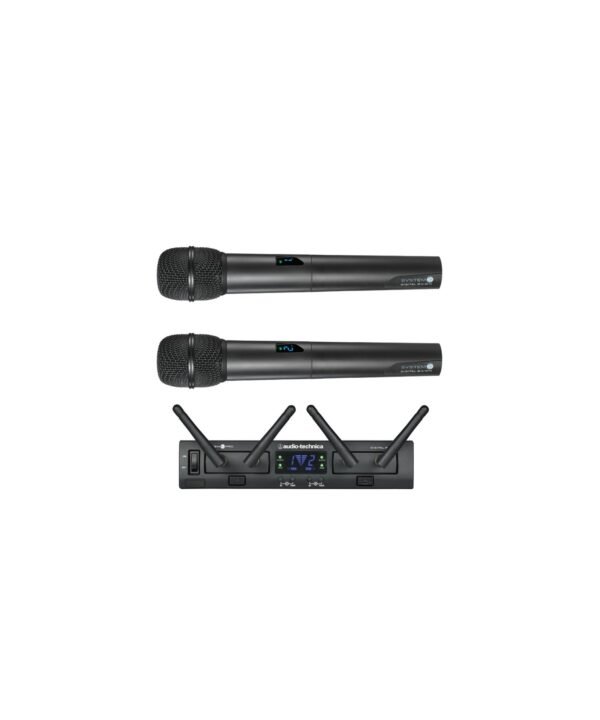
ATW-1322 AUDIO-TECHNICA
$4.580.000 -

MC012XX- 10M PRO DJ
$55.000 -

ATH-M20xBT AUDIO TECHNICA
$490.000 -

AD-4UX PRO DJ
$450.000